The right turbocharger begins with the correct assembly
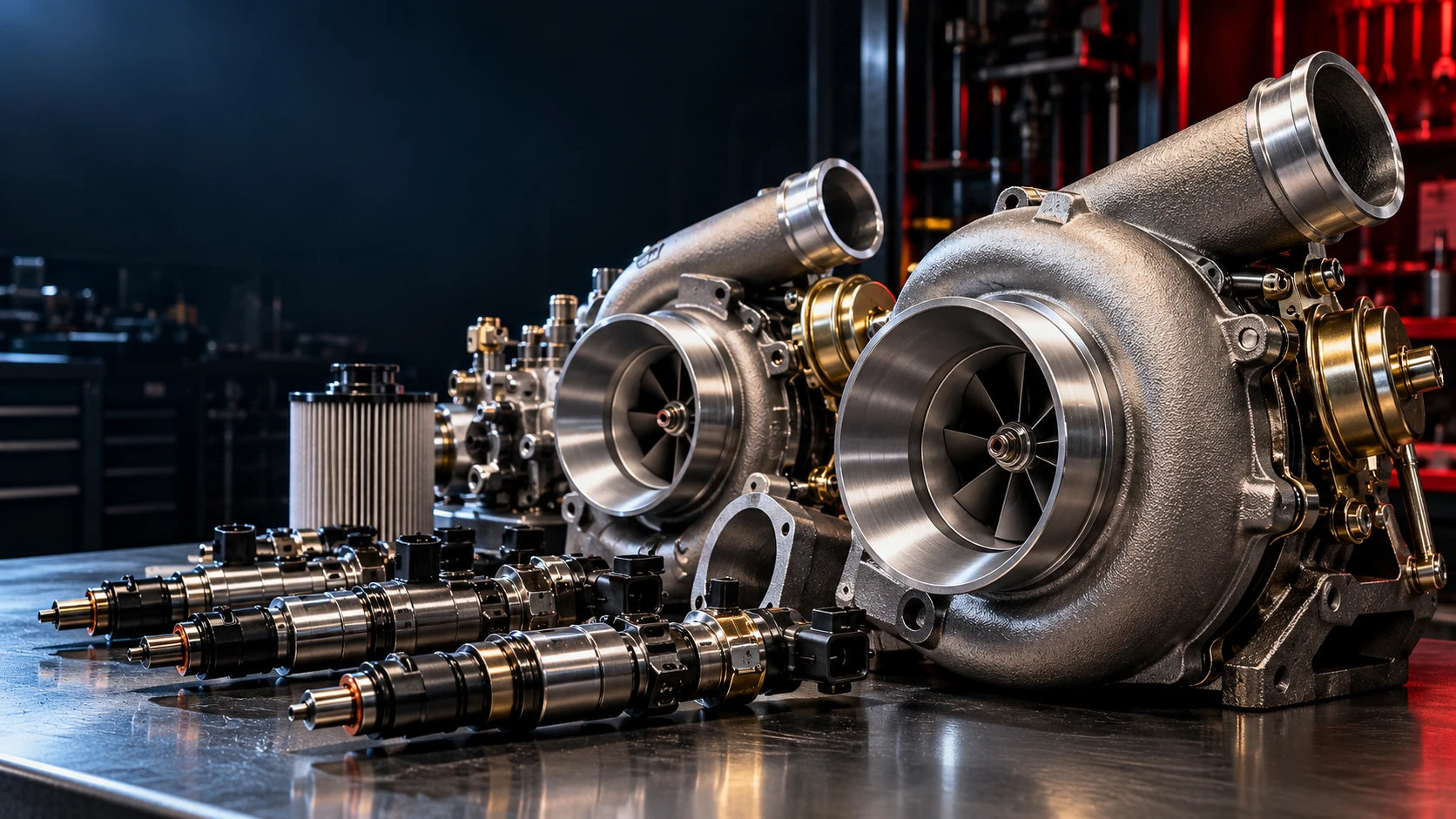
Turbocharger fitment can vary with a complete assembly number, actuator arrangement, connections and engine application. A broad engine badge or a visually similar housing is not enough to establish interchangeability.
Gather the information before a quote
Send the full turbo data-plate number, engine and equipment identification, and any relevant actuator or cooling details. DCT can review whether the requested sourcing or replacement path is available. A manufacturer name in an example is not a claim of dealership status, current stock or universal service support.
Ask about part-number fitment. The parts inquiry is distinct from DCT’s diesel fuel-injection pump or injector repair process.
Turbocharger identification and engine-side causes
Turbochargers vary by housing, actuator, control strategy and application. Smoke, low power, unusual noise and oil consumption can also reflect air leaks, engine wear, exhaust restrictions or operating controls. A replacement should not be selected solely from a symptom or exterior appearance.
Details to check before the next step
- Capture manufacturer and complete assembly numbers, actuator markings and engine/equipment application.
- Describe observed boost behavior, leaks, noise, shaft or wheel damage and any diagnostic observations.
- Clarify whether you seek an identified part, replacement condition, or sourcing review; ask about warranty and fitment.
Making an informed service decision
Looking for a turbocharger? Share the original unit number and engine details so we can discuss identification and sourcing options. Match the actual component and manufacturer requirements before installation.
Related information: Find a Part or Request Fitment Help, Garrett Components, Services & Parts Inquiries, Holset / Cummins Components, Services & Parts Inquiries.