SPECIALIZED DIESELFUEL INJECTION SERVICES
Hutchinson, KS(620) 665-6700
Great Bend, KS(620) 792-4333


Diesel injection components and specialist workshop equipment

FUEL INJECTION / AN EXPLAINED SYSTEM

Common Rail Diesel Fuel Injectors

Solenoid and piezo injectors, return-flow checks and coding considerations.

A CLOSER LOOK AT THE TECHNOLOGY

THE PART ONLY MAKES SENSE IN ITS SYSTEM.

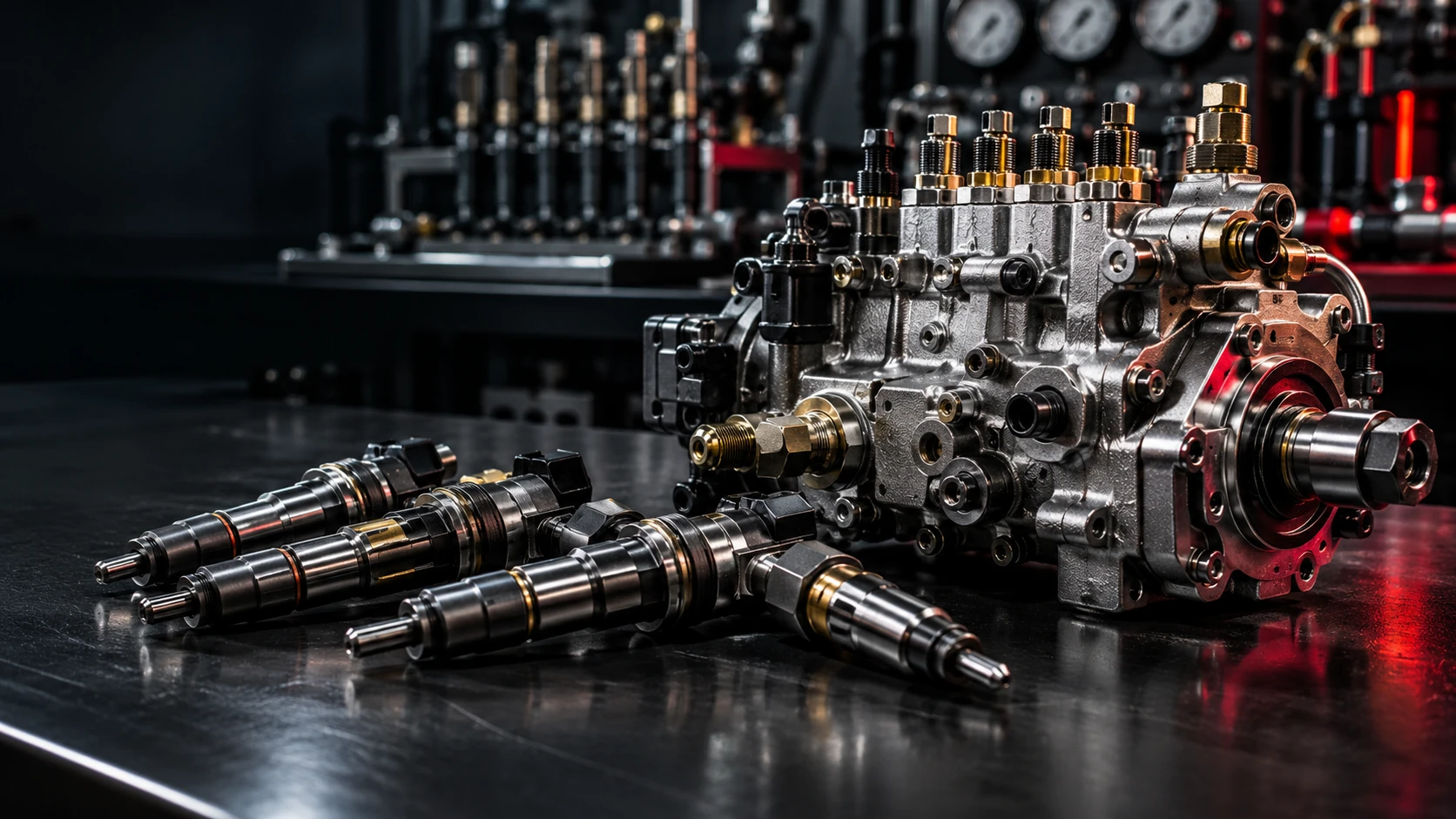
Common-rail injectors receive fuel from a pressurized rail and control injection events electronically. The nozzle, control valve, actuation technology and calibration data vary by injector family and engine application.

Excess return fuel, leakage, poor atomization, electrical control or contamination can influence injector behavior. A vehicle scan tool or a single return-flow observation rarely tells the whole story of a removed component.

That distinction matters when a component is suspected of failing. The exact assembly number, its engine application and the symptoms around it are more useful than a broad system name alone. DCT can review those details to discuss which supported service questions are worth asking next.

THE STORY INSIDE THE SYSTEM

THREE DETAILS THAT CHANGE THE ANSWER.

These component families help reveal why a model-specific service plan matters. They are identification references, not a promise that every item is accepted for repair.

01 / THE DETAILS

Manufacturer families

The full injector number and suffix determine the correct technical reference.

Relevant examples and component names include Bosch common-rail injectors; Delphi common-rail injectors; DENSO common-rail injectors; Continental / Siemens / VDO common-rail injectors. The exact model and application determine what these names mean for a particular service request.

02 / THE DETAILS

Control technologies

Solenoid and piezoelectric injectors are not serviced or tested identically.

Relevant examples and component names include Solenoid-operated injectors; Piezoelectric injectors; Light-, medium- and heavy-duty fuel injection applications; Agricultural and industrial common-rail systems. The exact model and application determine what these names mean for a particular service request.

03 / THE DETAILS

Service-relevant parts

Availability and repair authorization vary by model.

Relevant examples and component names include Nozzles and nozzle assemblies; Control and valve assemblies; Solenoids, connectors and seals; Calibration components and model-specific repair kits. The exact model and application determine what these names mean for a particular service request.

THE DECISION THAT COUNTS

GOOD TESTING ANSWERS A SPECIFIC QUESTION.

Before a component is disassembled or shipped, the evidence and the supported test method need to match the equipment. That helps distinguish a useful evaluation from an expensive assumption.

Share the engine configuration, the original part number and what changed when the problem appeared. Previous diagnostic measurements can be valuable, but they need context: a reading without its test condition can tell the wrong story.

What a technical evaluation may examine
  1. Capture full injector numbers, cylinder position and engine application before selecting a test.
  2. For supported units, discuss electronic response, delivery/flow, internal leakage and return-flow/back-leak measurements.
  3. Review contamination and nozzle condition where the correct procedures permit it.
  4. Confirm whether repair, calibration, coding data, exchange or replacement is possible for that exact injector.

Make the first inquiry a stronger one.

Tell DCT what component you have and what has already been learned. For some models, the correct answer is a targeted test; for others it may be repair, rebuilding, exchange, replacement—or no service until more information is available.

Useful identification and diagnostic details to include
  • All injector part numbers and any factory or calibration code
  • Engine make/model, engine serial and operating symptoms
  • Injector test reports, rail pressure data or return-flow findings
  • Contamination evidence or previous injector replacements

Questions about Common Rail Diesel Fuel Injectors

Is return-flow testing a complete injector diagnosis?

No. It is one diagnostic observation. Flow, actuation, leakage and the exact operating conditions may also be relevant.

Do all common-rail injectors require coding?

No blanket answer is correct. Coding or adaptation depends on the injector and engine-control system and may require vehicle-side work.

Can a piezo injector be treated like a solenoid injector?

No. Electrical characteristics and manufacturer procedures differ; unsupported testing can damage components.

Confirm the exact unit before service

This technical guide describes possible component families, not a guarantee that every model can be tested, rebuilt, sourced or accepted. Work depends on actual parts, test equipment, procedures and staff review. Manufacturer references do not imply factory authorization.

THE RIGHT ANSWER STARTS
WITH THE RIGHT QUESTIONS.

Tell us the component, equipment, symptoms and part numbers you have. We’ll help determine the appropriate next step before you ship or travel.

Start a fuel-injection inquiry