Accessibility

SPECIALIZED DIESELFUEL INJECTION SERVICES
Hutchinson, KS(620) 665-6700
Great Bend, KS(620) 792-4333


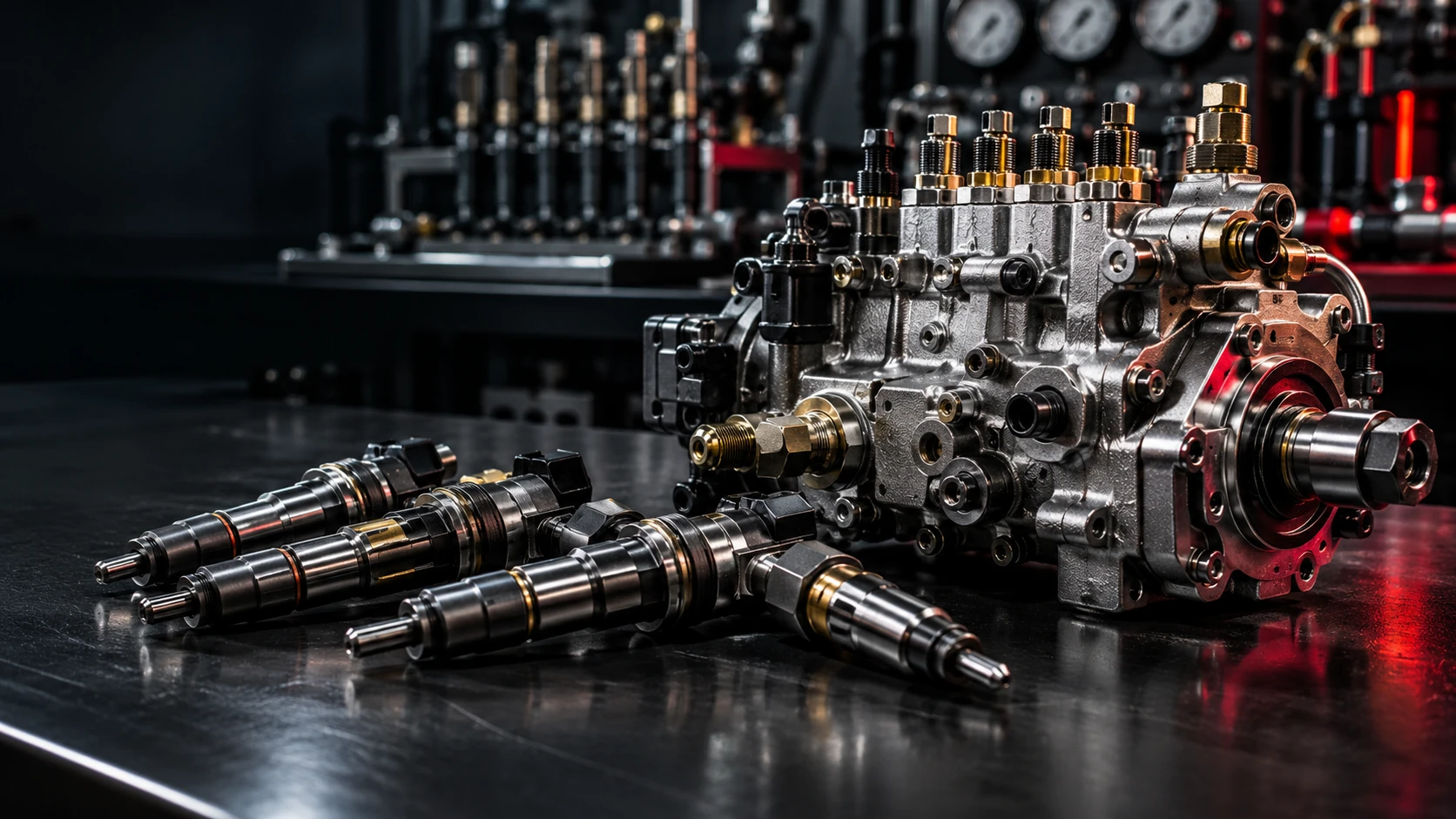
Illustration of a diesel injection pump and several fuel injectors

DIESEL FUEL INJECTION / HOW THE SYSTEM WORKS

Common Rail High-Pressure Fuel Pumps

High-pressure supply pumps, metering valves and contamination assessment.

A CLOSER LOOK AT THE TECHNOLOGY

THE PART ONLY MAKES SENSE IN ITS SYSTEM.

In a common-rail system, the supply pump generates pressure for a shared rail while the engine controller and injectors govern injection events. A pump assessment cannot ignore the low-pressure supply, commanded controls or the possibility of fuel-system contamination.

High-pressure pumps are engineered for precise flow and pressure. Changes in the inlet supply, metering-valve response, internal wear or debris can affect rail-pressure behavior. The right testing scope depends on the pump and its documented procedures.

That distinction matters when a component is suspected of failing. The exact assembly number, its engine application and the symptoms around it are more useful than a broad system name alone. DCT can review those details to discuss which supported service questions are worth asking next.

THE STORY INSIDE THE SYSTEM

THREE DETAILS THAT CHANGE THE ANSWER.

These component families help reveal why a model-specific service plan matters. They are identification references, not a promise that every item is accepted for repair.

01 / THE DETAILS

Common-rail pump families

An engine badge does not identify the fitted pump model.

Relevant examples and component names include Bosch CP1, CP3 and CP4 families; DENSO HP-series supply pumps; Delphi common-rail high-pressure pumps; Continental / Siemens common-rail pump applications. The exact model and application determine what these names mean for a particular service request.
02 / THE DETAILS

Pressure and quantity controls

These parts govern how fuel is supplied, metered or regulated.

Relevant examples and component names include Suction control valves (SCV); Inlet metering valves (IMV); Fuel quantity and metering control valves; Pressure-regulating hardware and related sensors. The exact model and application determine what these names mean for a particular service request.

03 / THE DETAILS

Internal service components

Feasibility depends on family, damage and approved parts.

Relevant examples and component names include Pump plungers and pumping elements; Seals and applicable repair components; Pressure-control and fuel inlet passages; Fittings and associated high-pressure connections. The exact model and application determine what these names mean for a particular service request.

THE DECISION THAT COUNTS

GOOD TESTING ANSWERS A SPECIFIC QUESTION.

Before a component is disassembled or shipped, the evidence and the supported test method need to match the equipment. That helps distinguish a useful evaluation from an expensive assumption.

Share the engine configuration, the original part number and what changed when the problem appeared. Previous diagnostic measurements can be valuable, but they need context: a reading without its test condition can tell the wrong story.

What a technical evaluation may examine
  1. Identify the high-pressure pump number and its engine/application configuration.
  2. Review available pressure-related data without treating a low-rail-pressure code as proof of pump failure.
  3. Determine whether contamination, supply restriction or damage warrants further system inspection.
  4. Confirm whether pump-specific testing, repair or replacement is technically supported and what system cleaning/return-to-service requirements may apply.
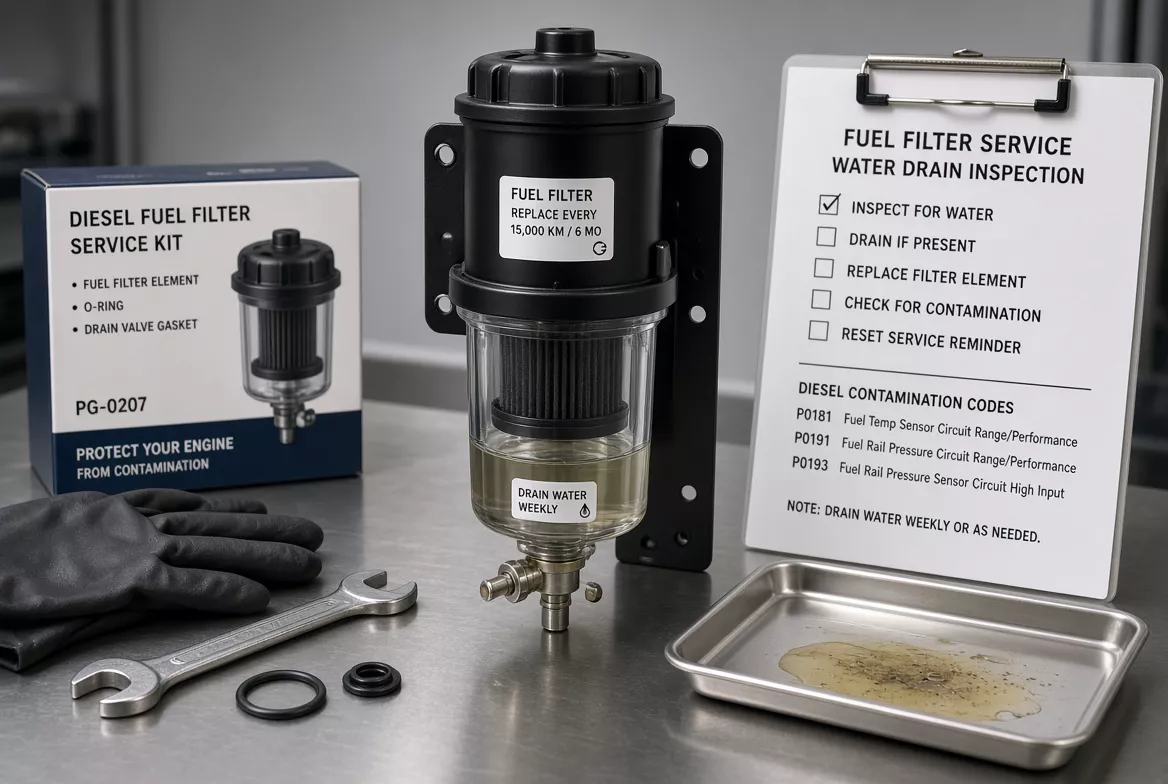
Fuel filter components and sample containers arranged for inspection on a workbench

Make the first inquiry a stronger one.

Tell DCT what component you have and what has already been learned. For some models, the correct answer is a targeted test; for others it may be repair, rebuilding, exchange, replacement—or no service until more information is available.

Useful identification and diagnostic details to include
  • Pump part number and engine serial/application
  • Rail-pressure trouble codes and measured values if available
  • Evidence of metal particles, water or poor fuel quality, if observed
  • Prior filter, tank, low-pressure pump or injector repairs

Questions about Common Rail High-Pressure Fuel Pumps

Does low rail pressure always mean the pump is bad?

No. Inlet supply, metering control, rail regulation, return leakage and injector condition can also affect rail pressure.

Is a CP3 interchangeable with a CP4?

Do not assume interchangeability. Engine management, fitment, delivery requirements and manufacturer part numbers must be checked.

Can I open high-pressure lines to check fuel while running?

Do not do this. Common-rail fuel pressure can cause severe injection injuries. Diagnosis must follow appropriate equipment and safety procedures.

Confirm the exact unit before service

Learn about common rail high-pressure fuel pumps and how to request an identification review with Diesel Control Technicians. Include the exact component number and engine application when contacting DCT about a supported testing, repair or parts option.