
Picture a box that arrives with eight injectors loose in the bottom, each one rattling against the others. The nozzle tips are nicked, one electrical connector has a broken latch, and the cardboard is dark with diesel. Every one of those injectors may have been perfectly testable when it left the engine. Now some of them aren’t.
Packaging is part of the repair. A precision component can be ruined in transit by a dropped box, and debris that gets into an open fuel port can create a fault that wasn’t there before. Ten minutes of careful packing protects both the part and the accuracy of the test results.
Before anything goes in the box
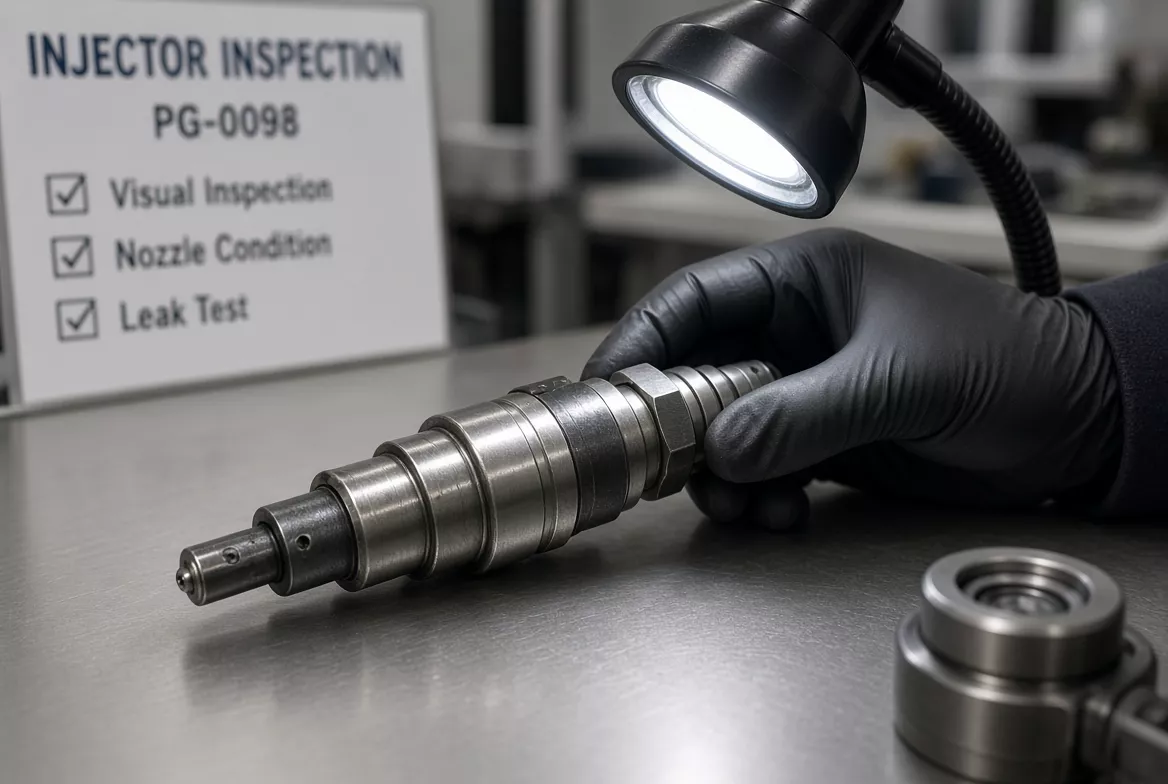
Leave the parts as they came off the engine. Don’t wire-brush the nozzle tips, soak injectors in solvent or spray them with brake cleaner. Deposits, wear marks and residue are evidence, and aggressive cleaning can damage nozzle holes and seals.
Don’t take anything apart. Disassembly removes the as-received condition the technician needs to see, and on pumps it can disturb settings that matter.
Confirm residual-fuel handling. Ask DCT and the carrier how the specific component must be prepared before shipment. Follow their approved instructions for draining and protecting ports, and never tender leaking or wet packaging. Do not improvise steps that could contaminate or damage the part.
Packing injectors
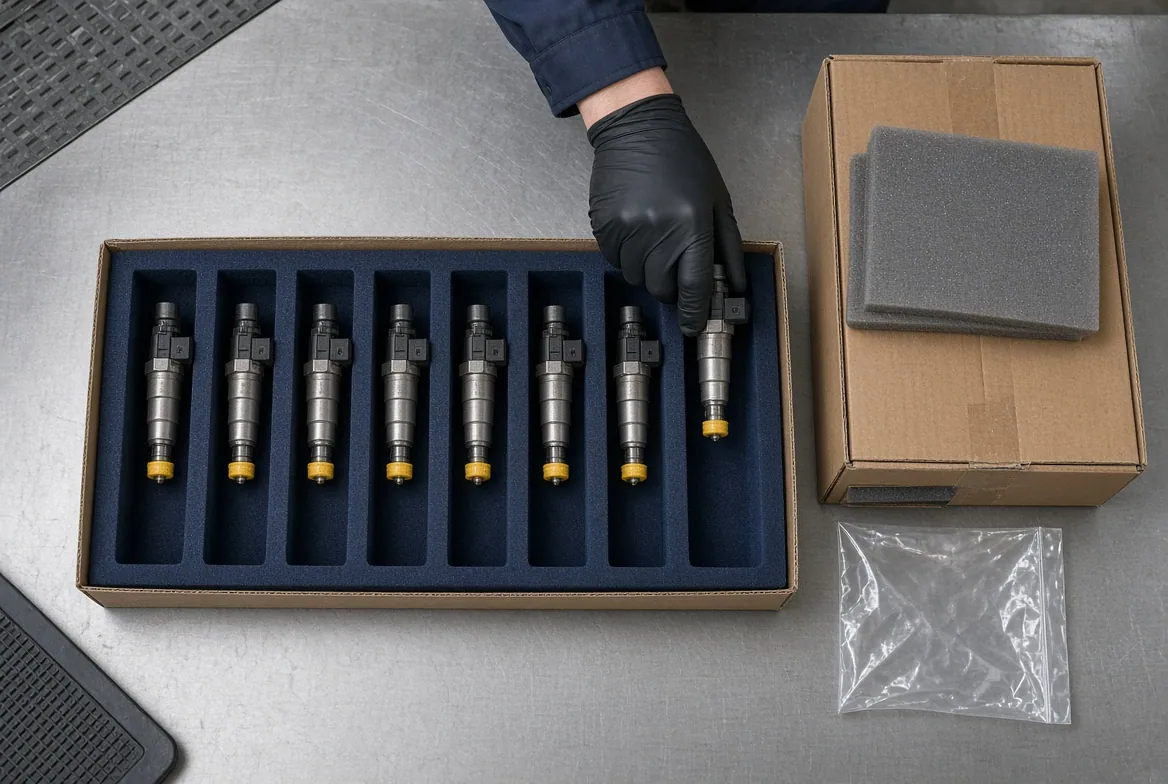
- Cap every opening. Use clean plastic caps or plugs on fuel inlets, return ports and high-pressure fittings. Avoid putting tape directly over a fuel port, since adhesive can end up inside. Shop rags shed lint, so don’t stuff them in openings either.
- Protect the tip and connector. A short piece of clean tubing, a cap or a wrap of bubble pack over the nozzle tip keeps it from striking anything. Make sure the electrical connector can’t be crushed.
- Bag each injector separately and write the cylinder number on the bag or on a tag. Position information helps match test results to what the engine was doing, especially when one cylinder was the complaint.
- Keep injectors from touching. Lay them in rows in a sturdy box with dense foam, molded inserts or tightly packed paper between them. Loose packing peanuts let heavy injectors migrate to the bottom and collide. If you still have the original packaging from a reman or new set, it’s ideal.
- Immobilize the components so they cannot shift in normal handling; check package security without shaking precision parts against their restraints.
Packing an injection pump
Pumps are heavy, have exposed drive shafts and fittings, and often have external levers or electronics that break easily.
- Cap all fuel ports and line fittings, including inlet, return and every outlet.
- Protect the drive end. Cover the shaft, gear or coupling with a cap or padding. Check before removing any drive gear: on some pumps, pulling the gear disturbs timing references. Our checklist for what to do before removing an injection pump covers what to mark and photograph first.
- Guard the controls. Throttle levers, shutoff solenoids, wiring, and electronic modules such as the one on a VP44 need padding so the pump’s weight can’t rest on them.
- Use a double box or a wooden crate for heavy pumps. Large inline pumps from tractors and industrial engines can weigh more than a single-wall carton can handle. Brace the pump so it can’t shift, and pad all six sides.
- Don’t use the injection lines as handles or packing material. Ship lines separately if they’re being sent at all, with their ends capped.
The paperwork that saves days
Put a note inside the box, in a plastic sleeve so fuel can’t ruin it:
- Name, company, phone, email and return shipping address
- Engine or equipment make, model and serial number
- Part numbers from the injectors or the pump’s tag
- Symptoms, codes and what’s already been checked
- What you want done: test only, repair, rebuild or exchange
Label the outside clearly, and keep the tracking number. If the shipment includes a core for an exchange, say so on the note. For the bigger picture on mail-in work, see how mail-in diesel fuel injection repair works.
Carrier rules
Parts that have contained fuel may be subject to carrier packaging, residue and acceptance rules. Confirm the applicable requirements with the receiving shop and carrier before preparing or tendering the shipment. Use clean protective caps and packaging that cannot leak; do not assume ordinary parcel rules apply to every fuel-containing component.
Packing mistakes that cost the most
- Injectors shipped loose together in one bag
- Open ports with no caps, packed in shredded paper
- Pumps resting on their solenoid, lever or electronics
- No note in the box, or a note with only a first name
- Parts cleaned with harsh solvents before shipping
Manufacturer reference: FedEx: guidance on shipping automotive parts · Bosch: Diesel Repair Network and supported component service For procedures and specifications, use the current manufacturer information for your engine and model year.
Ready to send parts?
If you are near Hutchinson or Great Bend, ask DCT about an approved component drop-off instead of packing a parcel. Our team will confirm which location is appropriate for your exact pump or injector and provide the receiving instructions. Hutchinson handles vehicle appointments separately.
Prepare your inquiry about How to Ship Diesel Injectors and Pumps Without Damage: Start with the part number, symptoms and clear photographs. Our shipping guide explains packaging, while DCT supplies the authorized Kansas receiving destination after reviewing the component. Ask about acceptance first.
QUESTIONS ABOUT YOUR DIESEL COMPONENT?
Need guidance on Ship Diesel Injectors and Pumps Without Damage?
Protecting a diesel component in transit starts with DCT approval and the correct receiving instructions. Learn what identification, protection and packaging information matters before shipping. Include the injector or nozzle number, engine identification, relevant cylinder observations and any completed injector testing.