
Injector warranties generally cover defects in materials and workmanship. They generally don’t cover damage caused by what the injector was exposed to after it left the supplier. That’s why the most common reasons for denial are contaminated fuel, installation errors and an underlying problem that was never fixed. Wording varies from one supplier to another, so read the actual terms, but those three themes show up almost everywhere.
The good news is that most of them are preventable, and the rest can be documented.
The usual reasons
Fuel contamination
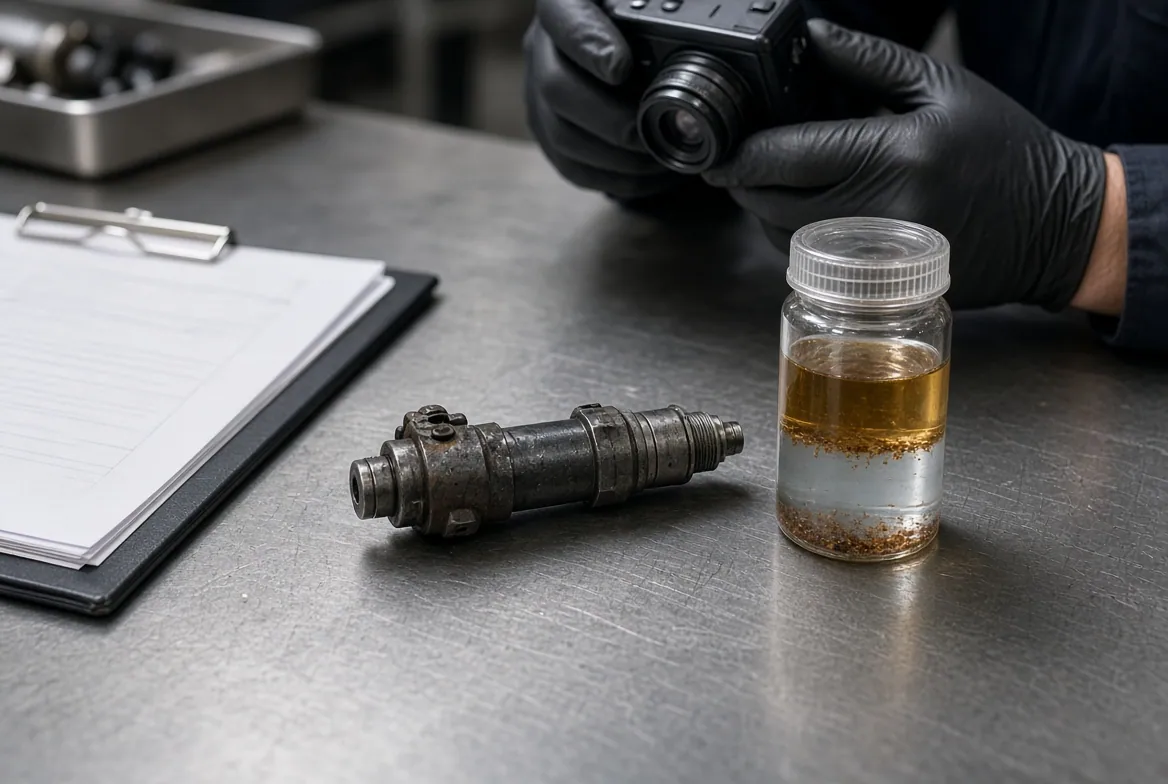
Rust, corrosion, scoring or embedded particles can suggest contamination, but a warranty decision depends on documented findings and the supplier’s actual terms. Do not assume appearance alone proves why a component failed. The same applies to damage from gasoline, DEF or metal debris from a failing pump. Even the installation instructions for some aftermarket injectors state plainly that fuel contamination voids the warranty.
Installation errors
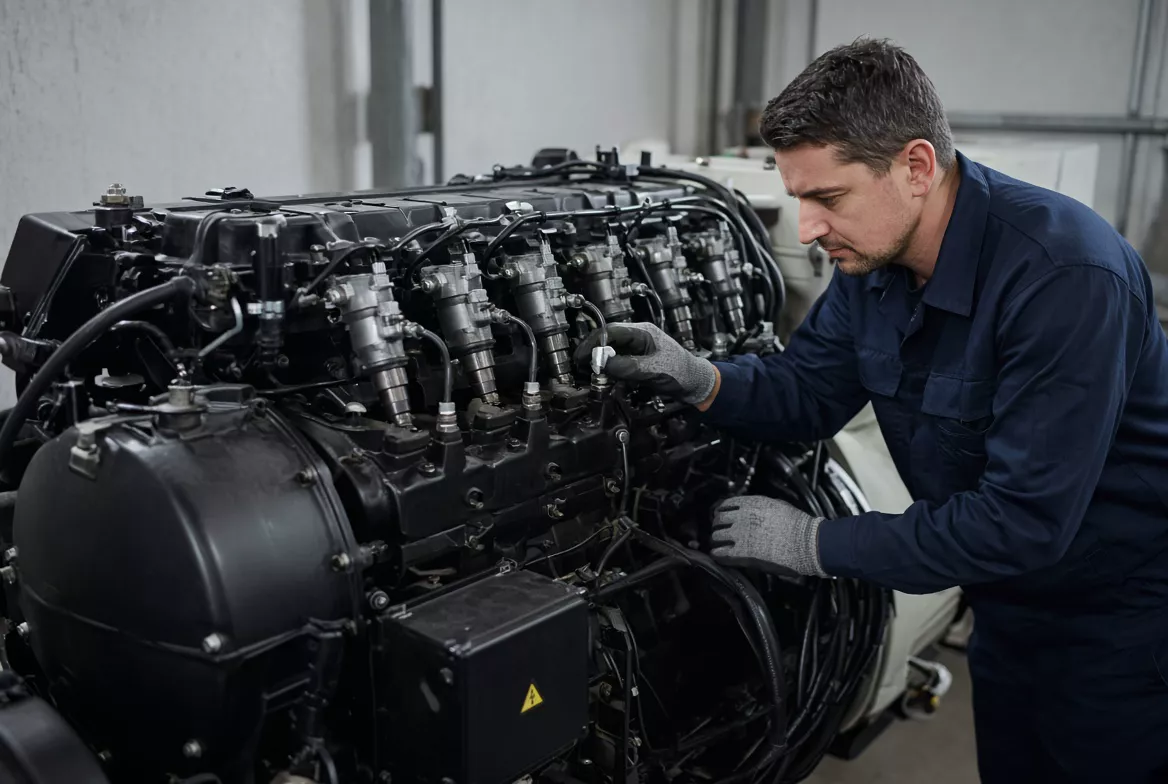
New injectors are vulnerable during installation. Common problems include:
- Reused seals, washers or O-rings where the procedure calls for new ones
- Reused high-pressure parts that are intended to be replaced, such as the fuel connector tubes on Cummins 5.9 and 6.7 common-rail engines, which install guidance says should be replaced whenever an injector is replaced
- Incorrect torque or tightening sequence on hold-down clamps and lines
- Debris introduced while lines and ports were open
- Missed coding on engines that need injector trim codes programmed
- Damage during installation, such as a crushed connector or a bent tip
An uncorrected root cause
If the original injectors failed from water in the fuel, a failing lift pump, a pump shedding metal, or wrong oil on a HEUI engine, and the cause wasn’t fixed, the new injectors are exposed to the same conditions. A second failure from the same cause usually won’t be covered. Our guide to why diesel injectors keep failing walks through the usual culprits.
Other common exclusions
- Performance tuning or modifications that change pressure or injection duration
- The wrong part number for the engine
- Physical damage, fire damage or a disassembled injector
- A failed part returned without the paperwork the supplier requires
Build a warranty file as you go
A claim is strongest when you can show the injectors were installed correctly, run on good fuel and failed anyway. Keep:
- [ ] Invoices showing part numbers, date and mileage or hours at installation
- [ ] Proof of filter changes with part numbers that meet the engine maker’s specification
- [ ] Installation notes: new seals used, torque values followed, trim codes programmed
- [ ] Photos of the old injectors, the fuel filter and any water separator contents at the time of the repair
- [ ] A fuel sample in a clean, sealed container, taken when the failure happened
- [ ] Scan data before and after the repair, if available
- [ ] The failed injector, intact, capped and packed carefully, never disassembled
After a contamination event, document the cleanup
If the original failure involved water, debris or the wrong fuel, record how the system was cleaned: tank drained, lines flushed, filters and separators replaced, and which components were inspected or replaced. That record shows the new injectors weren’t installed into a contaminated system.
What a failure analysis usually looks at
When a supplier or specialist evaluates a returned injector, they’re looking for evidence of what the injector experienced. Typical checks include a functional test against specification, an electrical test of the actuator, and inspection of internal and external surfaces for rust, scoring, embedded particles, varnish and overheating. They’ll also look at the outside: tool marks from removal, crushed connectors, damaged sealing faces and signs of incorrect installation. Each finding points toward either a defect or an operating condition.
Common misconceptions
“If it failed fast, it must have been defective.” A new injector that fails within weeks often failed because of what it was installed into: contaminated fuel, leftover debris or a supply problem. Fast failures deserve the closest look at the engine side.
“The warranty covers the labor too.” Some warranties cover only the part. Read the terms before the job, not after.
“Cleaning the old injector before sending it back helps.” It removes the evidence the analysis depends on. Return failed parts as they came out.
Manufacturer reference: Bosch: Diesel Repair Network and supported component service For procedures and specifications, use the current manufacturer information for your engine and model year.
Before you file, find out what happened
If a replacement injector failed and you don’t know why, testing the failed part is a smart first step. It can show whether the evidence points to a defect or to something on the engine that needs fixing before another injector goes in.
Diesel Control Technicians can test a failed injector and help you understand what the bench shows. Ask DCT to review the complete injector number, installation date, mileage and symptoms first. Only after written approval should you send the unit or arrange receiving at the designated Kansas location. Whoever supplies your injectors, DCT included, ask what warranty coverage applies before you buy.
Where Why Diesel Injector Warranty Claims Get Denied leads next: Confirm the actual pump or component family before replacing parts. Record the engine application, existing tests and symptoms, then review the testing process or request a component review. DCT confirms service eligibility and receiving instructions individually.
QUESTIONS ABOUT YOUR DIESEL COMPONENT?
Need guidance on Diesel Injector Warranty Claims Get Denied?
Learn how injector test results, operating conditions and repair records can clarify warranty questions and the next steps. Include the injector or nozzle number, engine identification, relevant cylinder observations and any completed injector testing.