
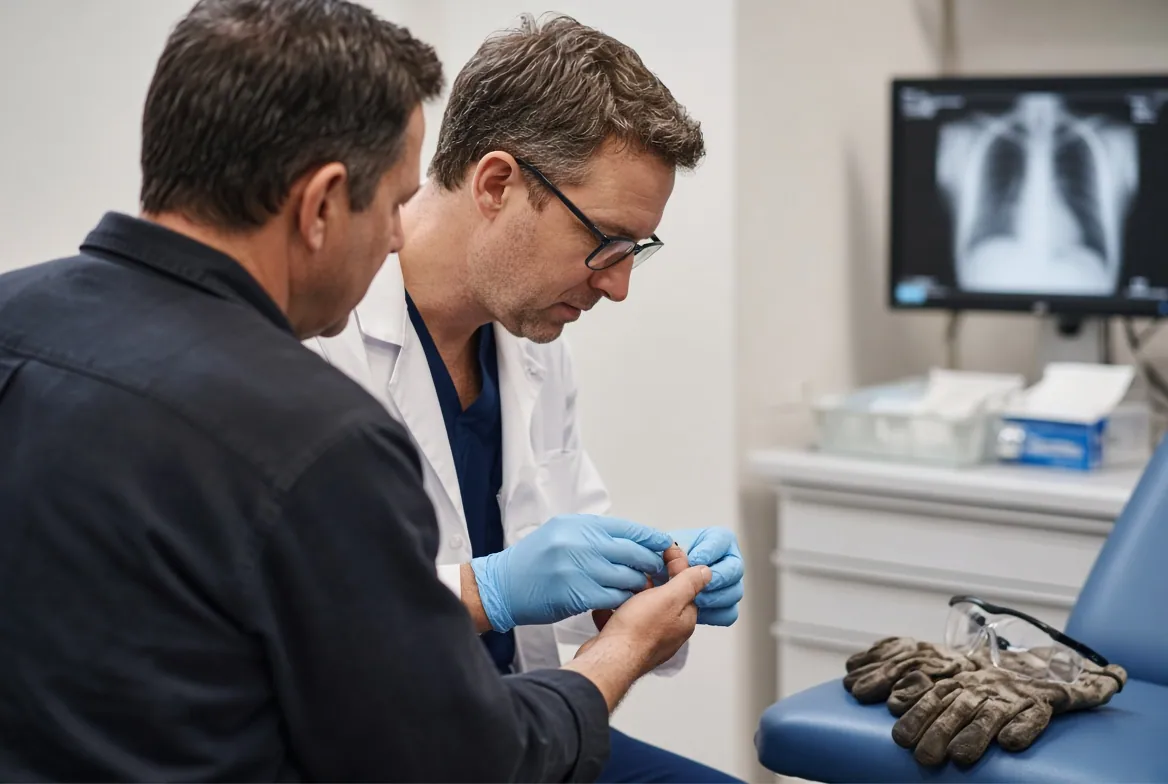
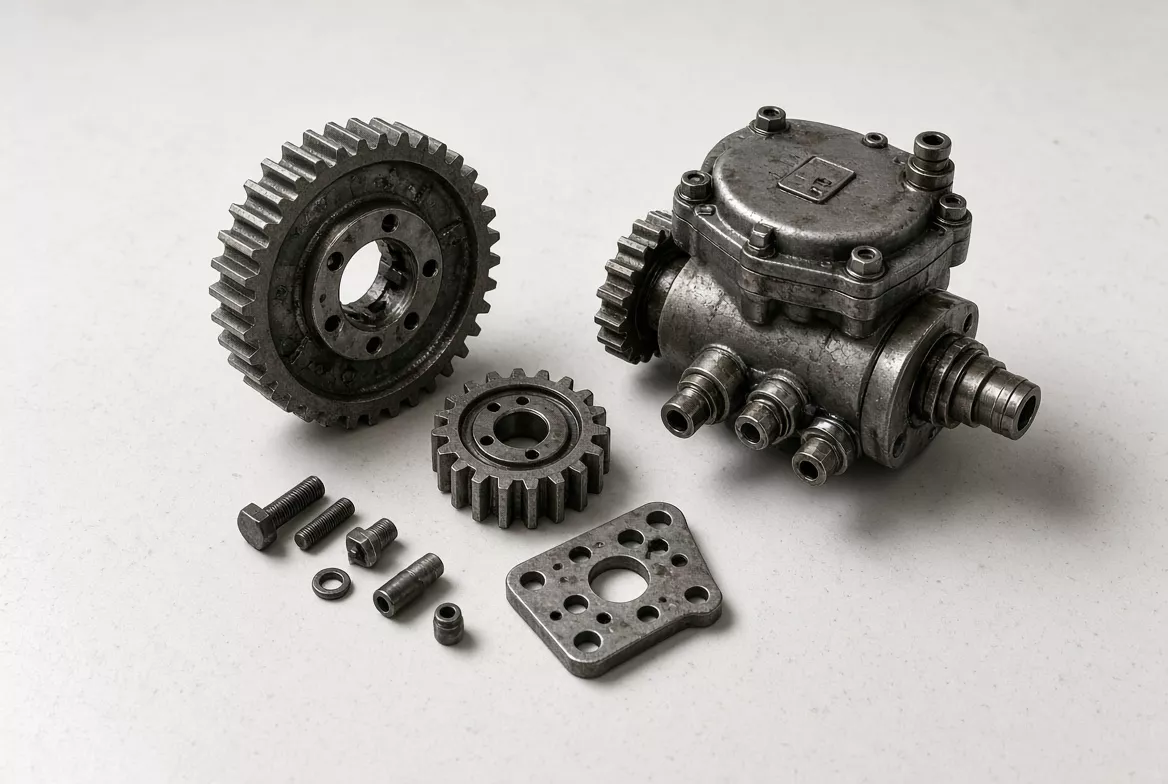
A high-pressure fuel injection injury happens when a jet of fluid from a pinhole leak, a loose fitting or a test nozzle punches through the skin and pushes fuel into the tissue underneath. It often looks like nothing — a tiny puncture on a fingertip or palm — and that’s what makes it dangerous. Without prompt surgical treatment, an injection injury can cause severe tissue damage and loss of a finger, hand or limb.
If it happens: treat it as an emergency and get to a hospital immediately. Tell the staff it is a high-pressure injection injury and what fluid was involved. Don’t wait for pain to develop.
How little pressure it takes
The UK’s Health and Safety Executive notes that serious injection injuries have been reported at pressures above 100 bar, about 1,450 psi, and that anecdotal evidence suggests injury may occur at pressures as low as 7 bar, about 100 psi. It warns that without proper care, injection injuries can lead to amputation. (HSE safety alert on hydraulic injection injuries)
Now compare that with a diesel fuel system:
- Common-rail systems hold fuel at pressures that can exceed 30,000 psi, and the rail can stay pressurized after shutdown.
- Mechanical pump-and-line systems send pulses of fuel at thousands of psi through each line.
- HEUI systems pressurize engine oil to several thousand psi to fire the injectors.
- Pop testers used to test mechanical nozzles spray at nozzle opening pressure.
Every one of those is far beyond the threshold for injury.
Why it’s worse than it looks
The entry wound is small, and early pain may be mild. The harm comes from what was injected: fuel spreads along tissue planes and causes chemical injury and pressure damage well beyond the puncture. The HSE notes that intense, throbbing pain may begin hours later. By then, damage is already underway. That delay is why people underestimate these injuries.
Where the risk shows up in diesel work
- Feeling along a running engine for a leak
- Loosening a fitting on a running engine, or on a common-rail system that hasn’t had pressure relieved
- Opening injector lines on mechanical systems during operation as a general diagnostic shortcut
- Using a pop tester without directing the spray into a container
- Inspecting a chafed high-pressure line or a weeping fitting up close
- Working near HEUI oil lines with the engine running
Safe working habits
- Never use hands or improvised cardboard probes to investigate a live high-pressure leak. Shut down, isolate and depressurize the system under the manufacturer’s procedure, then have a trained technician inspect it with approved methods.
- Relieve pressure first. Follow the engine maker’s procedure before opening any high-pressure fitting, and allow time after shutdown where specified.
- Don’t loosen high-pressure fittings on a running common-rail engine.
- Wear eye protection. A fuel jet to the eye is its own emergency.
- Don’t rely on gloves. Shop gloves won’t stop a high-pressure jet.
- Direct pop-tester spray into a container, and keep fingers away from the nozzle tip.
- Replace damaged lines and fittings rather than patching them, and use the correct parts for the system.
- Remember the fire risk. A fine mist of diesel on a hot exhaust component can ignite.
At the emergency department
Tell the staff plainly that this is a high-pressure injection injury, what fluid was involved (diesel fuel, engine oil, hydraulic fluid) and roughly what pressure the system operates at, if you know. If a safety data sheet for the fluid is available, bring it. Injection injuries are uncommon enough that the small entry wound can be underestimated without that context.
Don’t try to treat it at the shop. Don’t squeeze the wound, and don’t wait to see whether it starts hurting.
Manufacturer reference: UK Health and Safety Executive: fluid-injection injury For procedures and specifications, use the current manufacturer information for your engine and model year.
If you find a high-pressure leak
Shut the engine down and leave it off. A leaking high-pressure line or fitting is a safety problem and, near hot parts, a fire risk. Fix the leak before running the engine again. If the leak is at the pump or an injector, the component may need repair. For a sense of how these systems are built, see how common-rail diesel injection works.
If someone may have suffered a high-pressure injection injury, get emergency medical care immediately; component repair can wait. Once a qualified technician has made the system safe and identified the part, contact DCT to ask whether component assessment is supported.
After investigating High-Pressure Diesel Fuel Injection Injury: Preserve the relevant fault evidence and follow the engine manufacturer’s safety or contamination requirements. Component evaluation is only one part of a full-system decision. Review contamination concerns and ask DCT about the identified unit.
QUESTIONS ABOUT YOUR DIESEL COMPONENT?
Suspected fuel-injection injury? Get emergency care
High-pressure fuel injection can be a medical emergency. Seek emergency medical attention immediately; do not use a website contact form for urgent care.