SPECIALIZED DIESELFUEL INJECTION SERVICES
Hutchinson, KS(620) 665-6700
Great Bend, KS(620) 792-4333


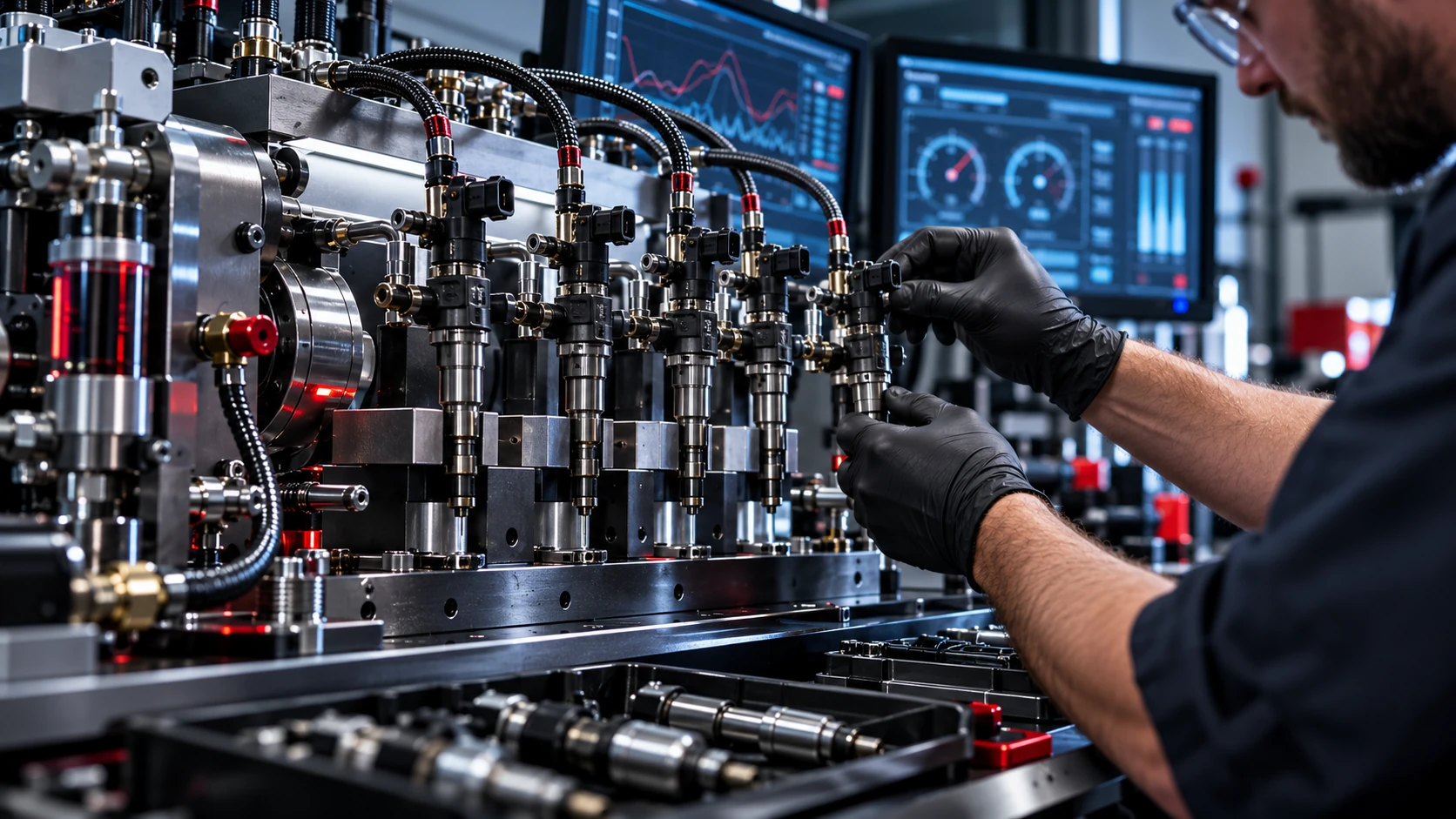
Illustrative precision fuel-injection test equipment

CONNECTED SERVICE WORKFLOW / STEP 03 OF 06

DIESEL INJECTOR CLEANING & INSPECTION

Restore what is recoverable, identify what is not and make the next service decision with confidence.

DCT SERVICE PROCESS / STEP 03

CLEANING & RESTORATION

Cleaning sounds simple, but in the fuel-injection world it is only valuable when it is the right answer. Deposits, varnish, debris and contamination can sometimes be addressed successfully, yet no cleaning process can undo every kind of internal wear, corrosion or damage. That is why DCT approaches this stage with realism as well as optimism.

The real question is not whether a component can be made to look cleaner. The real question is whether the injector or related part remains a strong candidate for meaningful restoration. DCT evaluates the condition of the component, considers the contamination story behind it and helps determine whether cleaning is a smart path, a limited benefit or simply not enough.

What customers gain from a thoughtful cleaning review

This stage helps separate cosmetic improvement from true service value. When cleaning is appropriate, it can support better performance, better diagnostics and a more confident next step. When it is not, DCT can help you pivot toward the solution that fits the actual condition of the component.

When cleaning makes sense

When deposits or contamination are present but the underlying component condition still supports a recovery path.

When it is not enough

When wear, corrosion, internal damage or broader system contamination point toward repair, rebuilding or replacement instead.

The exact work varies with the component and is always subject to confirmed eligibility, applicable procedures, available parts and customer authorization. The goal is not to oversell cleaning—it is to recommend it only when it truly serves the customer.

Illustrative diesel injection pump and injector components

Part of one connected process

These six stages explain the overall fuel-injection workflow. A specific component may require only some of them. Service scope is decided after evaluation and approval.

THE THINKING BEHIND THE WORK

Clean is not the same thing as restored.

Deposits and contamination can sometimes be addressed; damaged precision surfaces and severe wear cannot simply be washed away. That distinction matters when a customer is deciding whether a cleaning service is an opportunity or merely a delay before a bigger decision.

DCT can review the component and the contamination history to determine whether a supported cleaning approach makes sense, and what subsequent testing would be needed to judge its benefit. A responsible recommendation includes the limits as well as the possibilities.

THE DETAILS, WHEN YOU WANT THEM

A CLOSER LOOK AT THE PROCESS.

The underlying technical steps still matter, but they should serve the outcome rather than overwhelm the story. Your exact component and the approved scope determine which of these questions apply.

Explore the component-specific considerations
  1. 01

    Identify the contamination or deposit concern and the affected component family.

  2. 02

    Check for corrosion, wear, seal damage or debris before choosing a treatment.

  3. 03

    Confirm which cleaning and disassembly methods are permitted for that unit.

  4. 04

    Where supported, compare appropriate before/after test evidence and discuss remaining limitations.

One distinction worth knowing

Debris in a high-pressure common-rail system may require attention to more than one component. Cleaning a single injector does not automatically resolve system contamination.

SPECIALIST SERVICE / NATIONWIDE INQUIRIES

Diesel injector cleaning, inspection and contamination decisions

Carbon buildup, deposits, water intrusion and metallic debris can interfere with fuel-injection components, but cleaning is not equivalent to mechanical repair. The appropriate approach starts with the injector family, condition and contamination source. Cleaning should not be used to conceal permanent nozzle, control-valve or internal sealing damage.

THE QUESTION THAT MATTERS

What can the component actually tell us?

A high-pressure pump shedding metal can contaminate rails, lines and multiple injectors. Cleaning one unit without identifying the contamination source may not produce a durable correction. Ask what system-level follow-up should occur before installation.

With the exact part identity and the service history in view, DCT can discuss the appropriate testing, repair or replacement questions without making promises the evidence cannot support.

AN EASY FIRST STEP, NOT AN ASSUMPTION

Nationwide mail-in begins with a conversation.

Customers throughout the U.S. can share the part number, engine or equipment application, symptoms and relevant photographs. DCT then reviews whether the component may be accepted and, if approved, provides written receiving and shipping instructions. We will confirm acceptance and send the correct written receiving details before your component begins its journey.

After authorized receipt and the agreed evaluation, DCT explains findings, presents any further work for separate approval and confirms applicable return arrangements and written coverage. Pricing and timing depend on the actual component and scope, not on an invented universal promise.

Questions worth asking before you commit

Does a bottled fuel additive replace injector service?

Fuel additives may affect certain deposits, but they cannot verify injector performance or repair worn precision components.

Can every common-rail injector be cleaned internally?

No. Design, sealing requirements, controlled tooling and permitted procedures determine what can be done.

Will cleaning fix an electrically failed injector?

No. Electrical faults and mechanical wear require separate diagnosis.

THE RIGHT ANSWER STARTS
WITH THE RIGHT QUESTIONS.

Tell us the component, equipment, symptoms and part numbers you have. We’ll help determine the appropriate next step before you ship or travel.

Start a fuel-injection inquiry