SPECIALIZED DIESELFUEL INJECTION SERVICES
Hutchinson, KS(620) 665-6700
Great Bend, KS(620) 792-4333


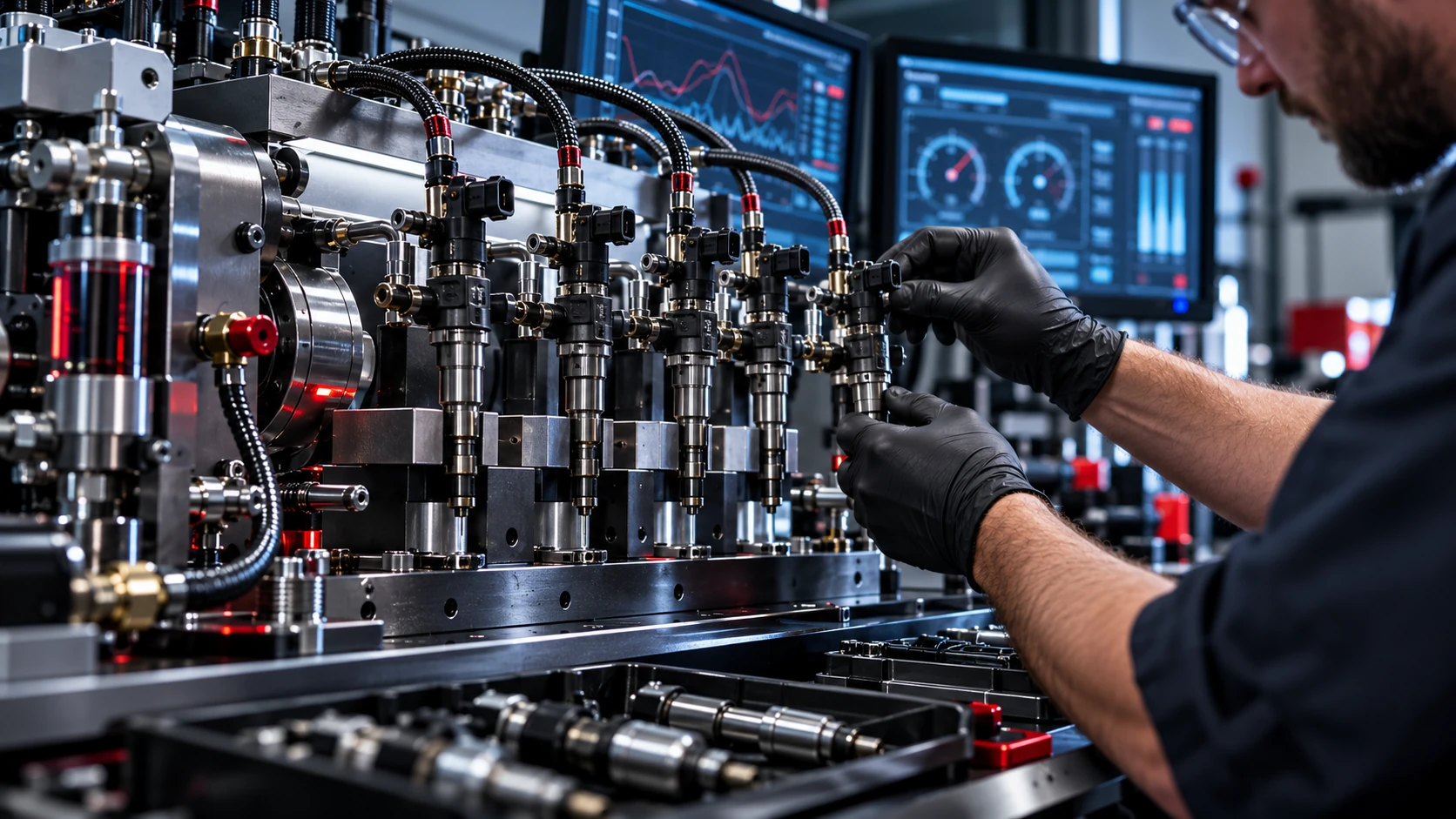
Illustrative precision fuel-injection test equipment

CONNECTED SERVICE WORKFLOW / STEP 01 OF 06

DIESEL INJECTION PUMP TESTING & DIAGNOSIS

Identify the exact component, the application and the real complaint before deciding what service deserves your budget.

DCT SERVICE PROCESS / STEP 01

DIAGNOSIS & EVALUATION

Downtime creates pressure, and pressure often leads people to guess. At DCT, the first step is designed to slow the guesswork down and replace it with a smarter starting point. A no-start, smoke complaint, power loss or rough-running condition may involve the injection pump, but it may also point toward contamination, supply issues, timing concerns or another fuel-system problem entirely.

That is why diagnosis begins with the component identity and the full story around it. DCT reviews the pump number, the engine or equipment application, the symptoms you are seeing and any previous testing that has already been done. The goal is not to make the job sound complicated; the goal is to make sure the next step is the right one.

What makes this stage valuable

When a component is evaluated properly, customers get more than a generic opinion. They get a grounded recommendation about what can be tested, what can be verified, what the likely paths forward look like and where unnecessary spending can be avoided.

What DCT confirms first

The exact pump family, the supported evaluation method and the most useful evidence tied to the complaint.

What this protects you from

Ordering the wrong part, authorizing the wrong service or shipping a component into a process that is not a good fit.

The exact work always depends on confirmed eligibility, applicable procedures, available parts and customer authorization. But every strong outcome starts here: with a clear-eyed look at the component and the evidence behind the complaint.
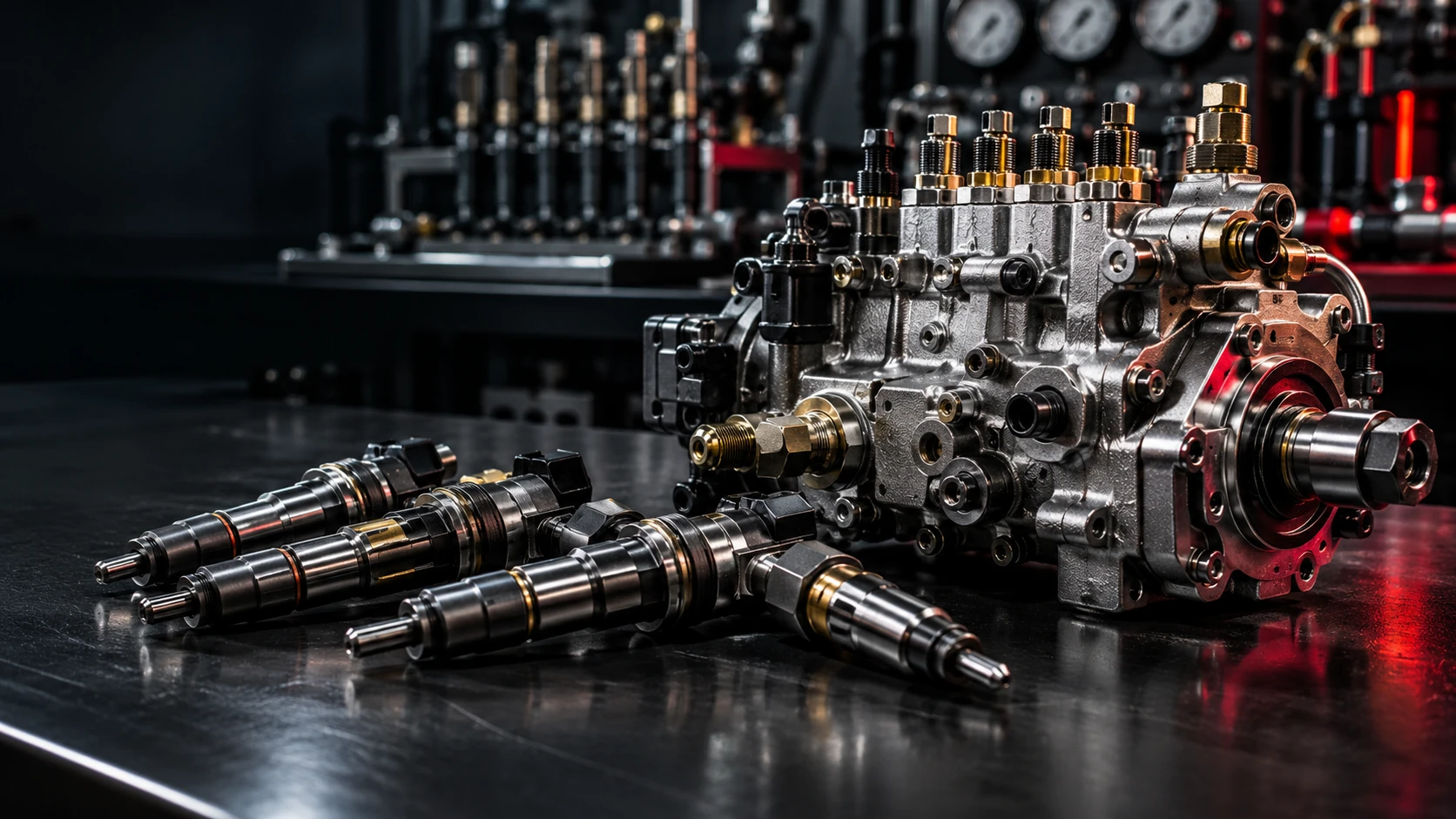
Illustrative diesel injection pump and injector components

Part of one connected process

These six stages explain the overall fuel-injection workflow. A specific component may require only some of them. Service scope is decided after evaluation and approval.

THE THINKING BEHIND THE WORK

The smartest repair starts before the first wrench turns.

A loss of power, a rough idle or a hard start can send a customer searching for a replacement pump. But the symptom is not the diagnosis. The most valuable first step is connecting the complaint to the exact unit, the engine application and the evidence already collected.

When those details line up, testing becomes a decision tool rather than a ritual. It can help distinguish a serviceable defect from a broader fuel-supply or engine problem and reveal when further work is—and is not—worth pursuing.

THE DETAILS, WHEN YOU WANT THEM

A CLOSER LOOK AT THE PROCESS.

The underlying technical steps still matter, but they should serve the outcome rather than overwhelm the story. Your exact component and the approved scope determine which of these questions apply.

Explore the component-specific considerations
  1. 01

    Read the complete identification and match the exact component family.

  2. 02

    Review owner-reported symptoms, removal circumstances and prior engine-side tests.

  3. 03

    Determine which inspection, leakage, delivery or electronic checks the actual unit supports.

  4. 04

    Explain diagnostic limits and the recommended next action before work is authorized.

One distinction worth knowing

No-start, smoke and power-loss complaints can originate outside the pump. A bench observation informs the decision but does not by itself diagnose an entire engine.

SPECIALIST SERVICE / NATIONWIDE INQUIRIES

How diesel injection pump testing differs across pump families

Injection pump testing is component-specific. A Bosch inline P-series pump uses mechanical pumping elements and governor controls, while a VP44 has electronic control and a common-rail supply pump works with a separate pressure-control system. Start with exact model identification and previous engine-side evidence before deciding on bench evaluation.

THE QUESTION THAT MATTERS

What can the component actually tell us?

High-pressure fuel systems can cause severe injection injuries. Do not bench-test or loosen high-pressure fittings at home. Component acceptance, test scope and costs should be confirmed in writing before shipping.

With the exact part identity and the service history in view, DCT can discuss the appropriate testing, repair or replacement questions without making promises the evidence cannot support.

AN EASY FIRST STEP, NOT AN ASSUMPTION

Nationwide mail-in begins with a conversation.

Customers throughout the U.S. can share the part number, engine or equipment application, symptoms and relevant photographs. DCT then reviews whether the component may be accepted and, if approved, provides written receiving and shipping instructions. We will confirm acceptance and send the correct written receiving details before your component begins its journey.

After authorized receipt and the agreed evaluation, DCT explains findings, presents any further work for separate approval and confirms applicable return arrangements and written coverage. Pricing and timing depend on the actual component and scope, not on an invented universal promise.

Questions worth asking before you commit

Does a no-start condition prove the injection pump has failed?

No. Fuel supply, sensors, wiring, timing, compression and air entry can be involved.

Can a mechanical pump and common-rail pump use the same test plan?

No. Their operating principles, controls and performance requirements differ.

Do I have to send the engine?

Mail-in service addresses removable components when the model is accepted; it is not the same as full on-vehicle diagnosis.

THE RIGHT ANSWER STARTS
WITH THE RIGHT QUESTIONS.

Tell us the component, equipment, symptoms and part numbers you have. We’ll help determine the appropriate next step before you ship or travel.

Start a fuel-injection inquiry