
CONNECTED SERVICE WORKFLOW / STEP 05 OF 06
When the right answer is a deeper restoration path, rebuild the component with discipline—not shortcuts.
DCT SERVICE PROCESS / STEP 05
A rebuild is where craft and process come together. It is not a quick exterior cleanup and it is not a blanket promise that every aging component can be made new again. A legitimate rebuild begins with understanding what the component is, what condition it is in and whether it remains a strong candidate for restoration using the proper service path.
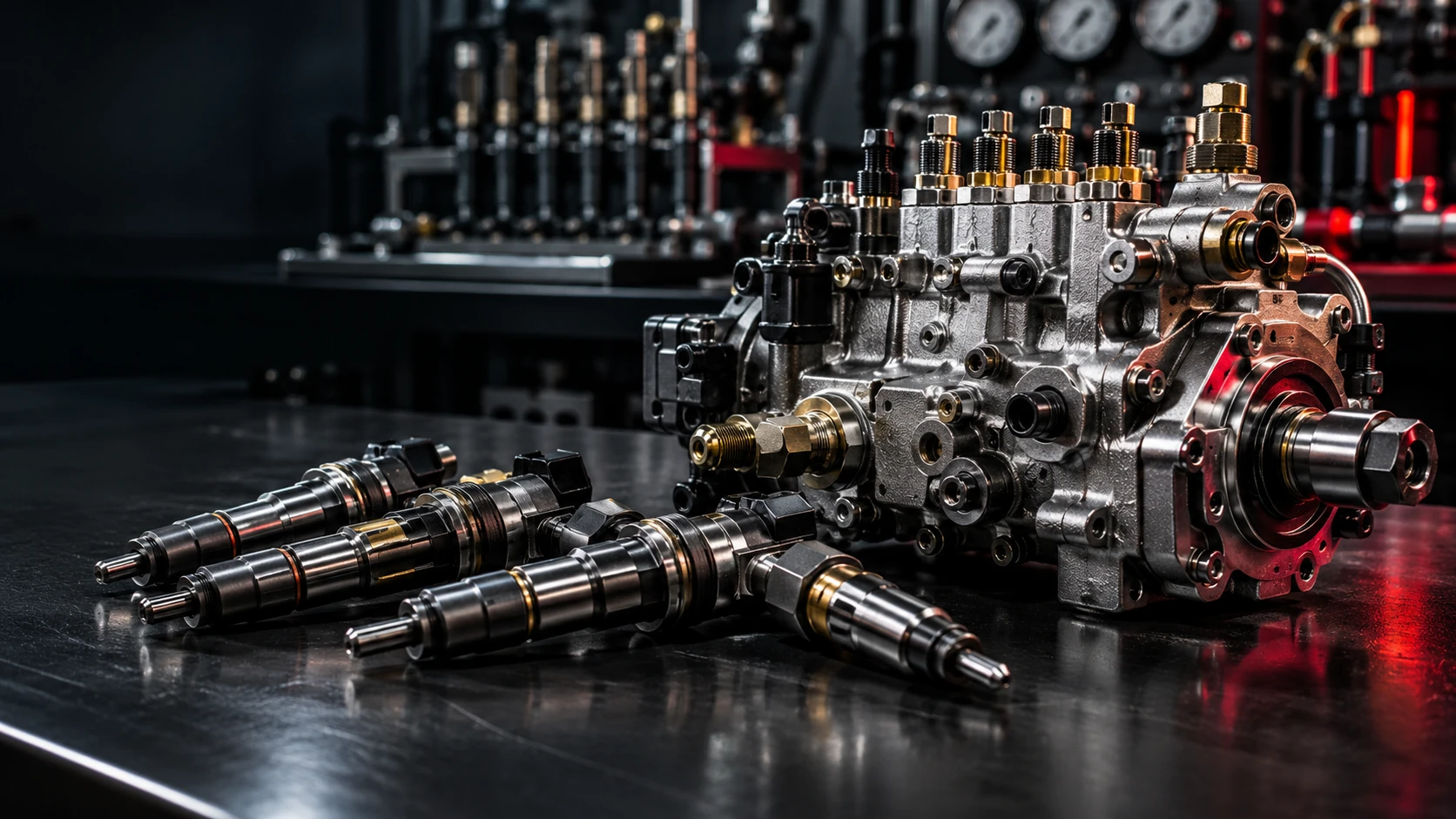
For the right pump or injector, rebuilding can be the difference between patchwork repair and dependable return-to-service confidence. DCT evaluates the as-received condition, considers parts availability and discusses the approved scope before deeper work proceeds. The result is a service conversation built around the actual component rather than a generic template.
Rebuilding involves careful disassembly, inspection, measurement, approved part replacement and reassembly with the verification appropriate to the accepted scope. It is a disciplined process designed to restore performance and confidence—not just appearance.
Critical internal wear points, contamination, serviceable component condition and the practicality of moving forward with a rebuild.
Because a deeper restoration path can protect valuable equipment, extend component life and provide a more complete solution than a limited repair.
The exact work varies with the component and remains subject to confirmed eligibility, applicable procedures, available parts and customer authorization. When rebuilding is the right answer, DCT aims to make it a confident one.
These six stages explain the overall fuel-injection workflow. A specific component may require only some of them. Service scope is decided after evaluation and approval.
THE THINKING BEHIND THE WORK
There is a difference between a component that looks refreshed and one that has been rebuilt within the correct procedure. A disciplined overhaul is about inspection, measurements, compatible service parts, deliberate assembly and relevant final checks.
Some units have earned another working life. Others have reached a point where missing parts, severe damage or unavailable service information make a rebuild the wrong investment. DCT discusses those boundaries before a customer authorizes deeper work.
THE DETAILS, WHEN YOU WANT THEM
The underlying technical steps still matter, but they should serve the outcome rather than overwhelm the story. Your exact component and the approved scope determine which of these questions apply.
Inspect housing, pumping elements, rotor/heads, nozzles, valves or other relevant internals.
Document wear, contamination and parts availability before agreeing on a rebuild.
Use correctly specified replacement parts and the permitted assembly procedure.
Perform calibration or component verification appropriate to the accepted scope.
Rebuilding a mechanical rotary pump is not technically equivalent to rebuilding an electronic common-rail injector. Some components cannot be rebuilt economically or with available tooling.
SPECIALIST SERVICE / NATIONWIDE INQUIRIES
A proper injection pump rebuild starts with a complete identity check and an assessment of whether the unit can be restored using the correct repair data. Mechanical inline, rotary/distributor, electronically controlled and common-rail pumps have different internal parts, tolerances, control arrangements and testing requirements.
THE QUESTION THAT MATTERS
A rebuild should not be advertised as better than new, a universal overhaul or factory remanufacturing unless those claims are documented. Worn housings, unavailable calibration data or contamination can make replacement more practical.
With the exact part identity and the service history in view, DCT can discuss the appropriate testing, repair or replacement questions without making promises the evidence cannot support.
AN EASY FIRST STEP, NOT AN ASSUMPTION
Customers throughout the U.S. can share the part number, engine or equipment application, symptoms and relevant photographs. DCT then reviews whether the component may be accepted and, if approved, provides written receiving and shipping instructions. We will confirm acceptance and send the correct written receiving details before your component begins its journey.
After authorized receipt and the agreed evaluation, DCT explains findings, presents any further work for separate approval and confirms applicable return arrangements and written coverage. Pricing and timing depend on the actual component and scope, not on an invented universal promise.
No. Their architecture, parts availability, cleaning and calibration requirements are fundamentally different.
No. Send an inquiry with its identification first; DCT confirms if the part can be received.
No. Fuel supply, timing, injectors, controls and other engine conditions must be addressed independently.
THE RIGHT ANSWER STARTS
WITH THE RIGHT QUESTIONS.
Tell us the component, equipment, symptoms and part numbers you have. We’ll help determine the appropriate next step before you ship or travel.