Skip to main content
Accessibility

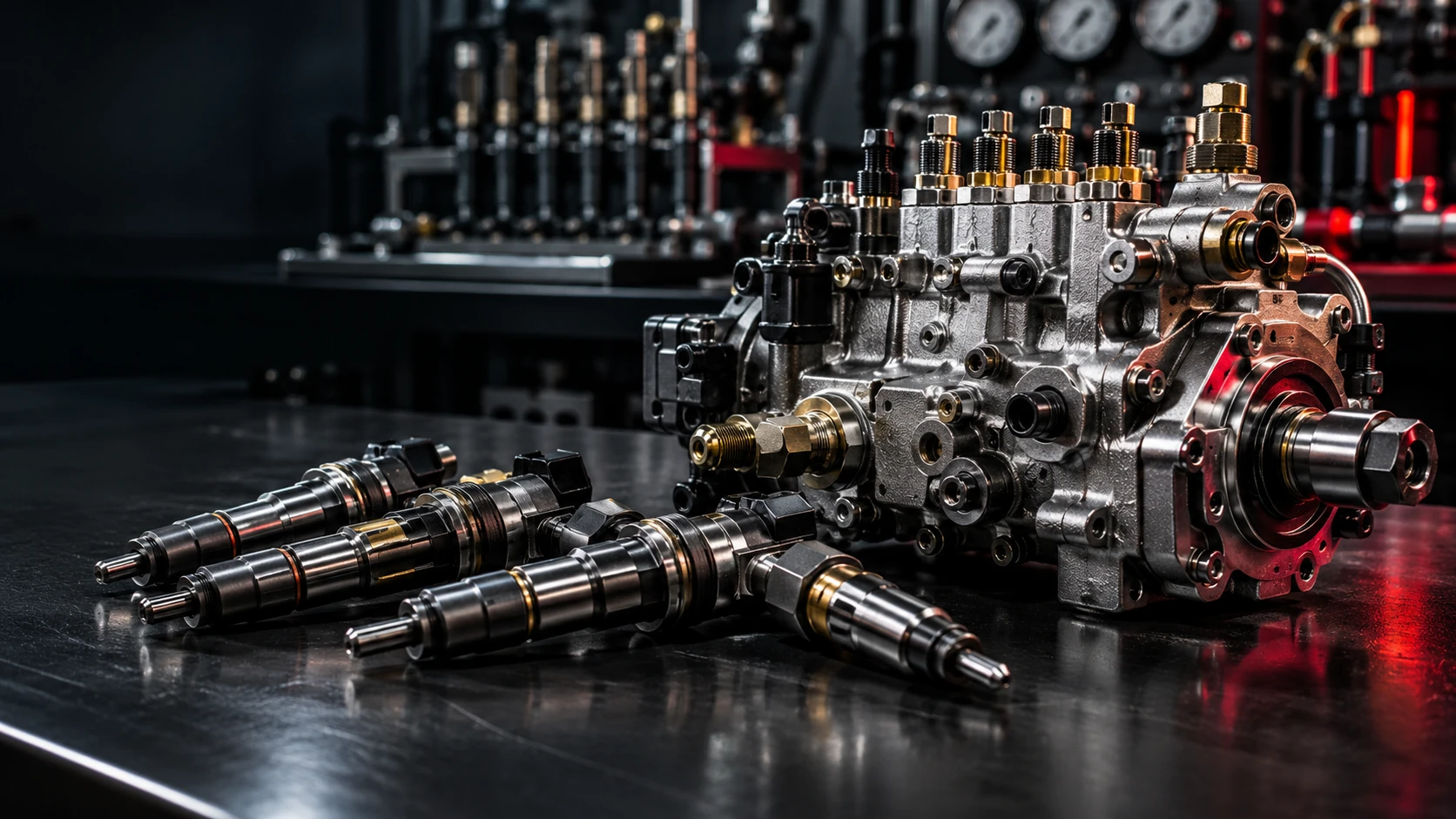
FUEL INJECTION SPECIALIST / MAIL-IN INQUIRIES
DIESEL FUEL INJECTOR CALIBRATION
Identify the injector family and the correct supported test and calibration procedure before authorizing any adjustment.
Diesel injector calibration is not one universal test
The valid injector test and calibration work depend on injector technology, part number and manufacturer procedure.
- Mechanical injectors: Opening pressure and spray characteristics may be relevant under a model-specific procedure.
- Common-rail injectors: Bench measurement and calibration/coding information may differ by design.
- After installation: Confirm whether coding or adaptation is required before evaluating engine response.
Related guidance: Pop-testing limits Injector coding and trim
THE THINKING BEHIND THE SERVICE
Precision matters most when the job is nearly done.
Calibration is more than a finishing touch. In a modern or mechanical diesel injector, the appropriate verification process can reveal whether delivery, leakage, opening behavior or electronic response is aligned with the supported component procedure. Different injector families are built and controlled in very different ways; no single test plan or adjustment applies to all of them.
DCT can review the component identity and the authorized service to discuss what calibration or final testing may be appropriate. A bench result describes the injector under the measured conditions, not the entire engine. That clarity is the point: it supports a better handoff to installation and gives the customer a clearer picture of what the completed work actually established.
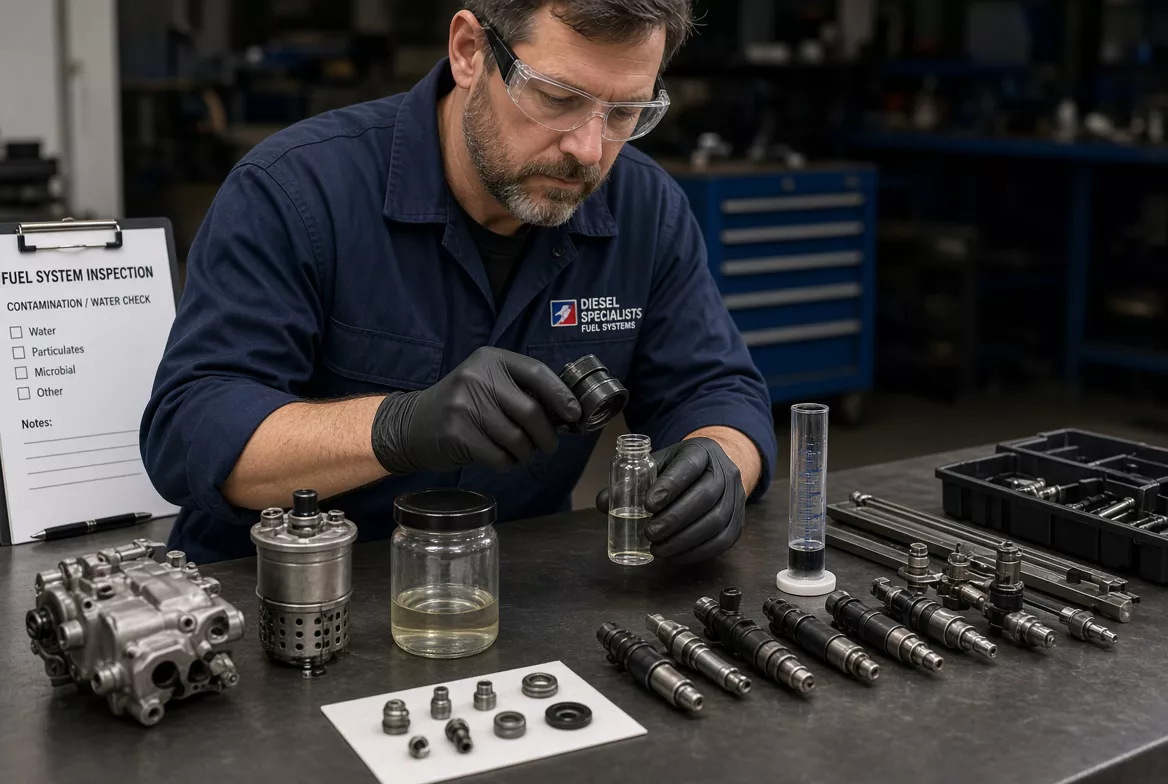
SPECIALIST SERVICE / NATIONWIDE INQUIRIES
Injector calibration, flow evaluation and matching: what differs by system
Calibration uses measurements and procedures appropriate to a particular injector family. A mechanical nozzle may require opening-pressure adjustment, while supported electronically controlled injectors may require several pressure and command conditions and model-specific performance evaluation. Injector trim or compensation codes are not universal and must not be invented.
THE QUESTION THAT MATTERS
What can the component actually tell us?
Calibration values and coding workflows differ among applications. Do not apply generic flow limits, pressure figures or software codes from another injector. After component service, on-engine installation, bleeding, diagnostics or coding should follow the appropriate OEM procedure.
With the exact part identity and the service history in view, DCT can discuss the appropriate testing, repair or replacement questions without making promises the evidence cannot support.
AN EASY FIRST STEP, NOT AN ASSUMPTION
Nationwide mail-in begins with a conversation.
Customers throughout the U.S. can share the part number, engine or equipment application, symptoms and relevant photographs. DCT then reviews whether the component may be accepted and, if approved, provides written receiving and shipping instructions. We will confirm acceptance and send the correct written receiving details before your component begins its journey.
After authorized receipt and the agreed evaluation, DCT explains findings, presents any further work for separate approval and confirms applicable return arrangements and written coverage. The team confirms the applicable service scope and next steps for your specific component.
Questions worth asking before you commit
Is an injector balance-rate reading the same as a bench calibration?
No. Balance values are engine-controller observations under operating conditions. Bench testing measures the removed injector under a separate procedure.
Can DCT assign a new trim code to any injector?
Not universally. Ask about the precise part family, equipment and manufacturer-approved procedure.
Is calibration always necessary after cleaning?
The need for retesting and adjustments depends on what was done and the injector design.
Keep exploring this topic
DECIDE WITH THE RIGHT INFORMATION
Verification is model-specific
Fuel delivery, leakage, opening characteristics and electronic coding are different checks. Determine which evidence is appropriate to the actual injector and engine.
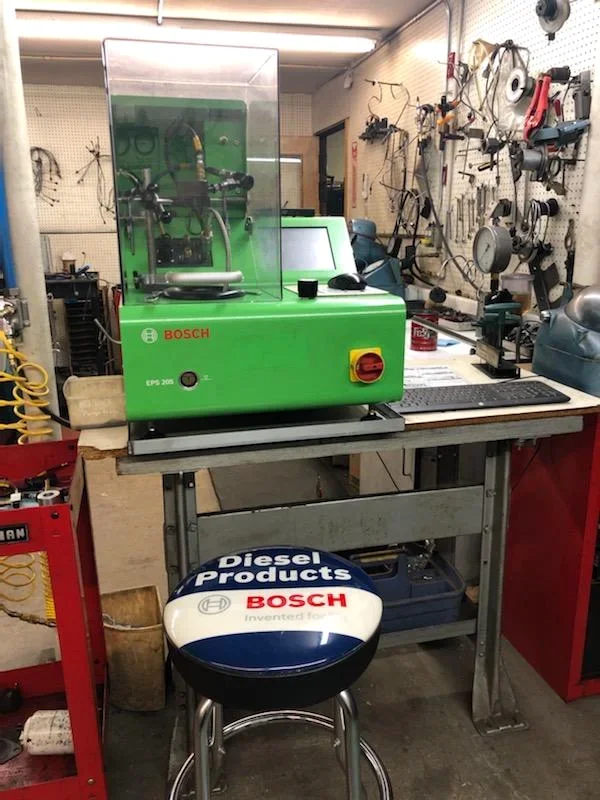
FROM THE DCT PHOTO ARCHIVE
Tools Used in the Workshop
Equipment photographed at DCT. Testing and adjustment capabilities vary by component family.
RELATED SERVICE & PARTS QUESTIONS
Identify the right next step
Calibration requirements depend on the injector type and system. Mechanical opening-pressure checks, common-rail testing and electronically controlled injector procedures are not interchangeable.
PRACTICAL GUIDANCE
Calibration, electronic coding and injector repair are different requests
Mechanical opening-pressure or delivery verification is not the same as writing an electronic trim or correction code to a compatible engine controller. For post-installation coding questions, use the shop checklist. For a suspected physical injector fault, review the injector service pathway before requesting testing or repair.
Coding after injector installation Injector repair and testing service
Injector calibration is design-specific
A mechanical injector nozzle and an electronically coded common-rail injector have fundamentally different service and identification requirements. “Calibration” is not a single procedure for every injector.
- Record the full injector number and any existing coding information where applicable.
- Distinguish a mechanical opening-pressure check from manufacturer-approved electronic injector procedures.
- Do not copy another cylinder’s code or assume a replacement is interchangeable without application verification.