
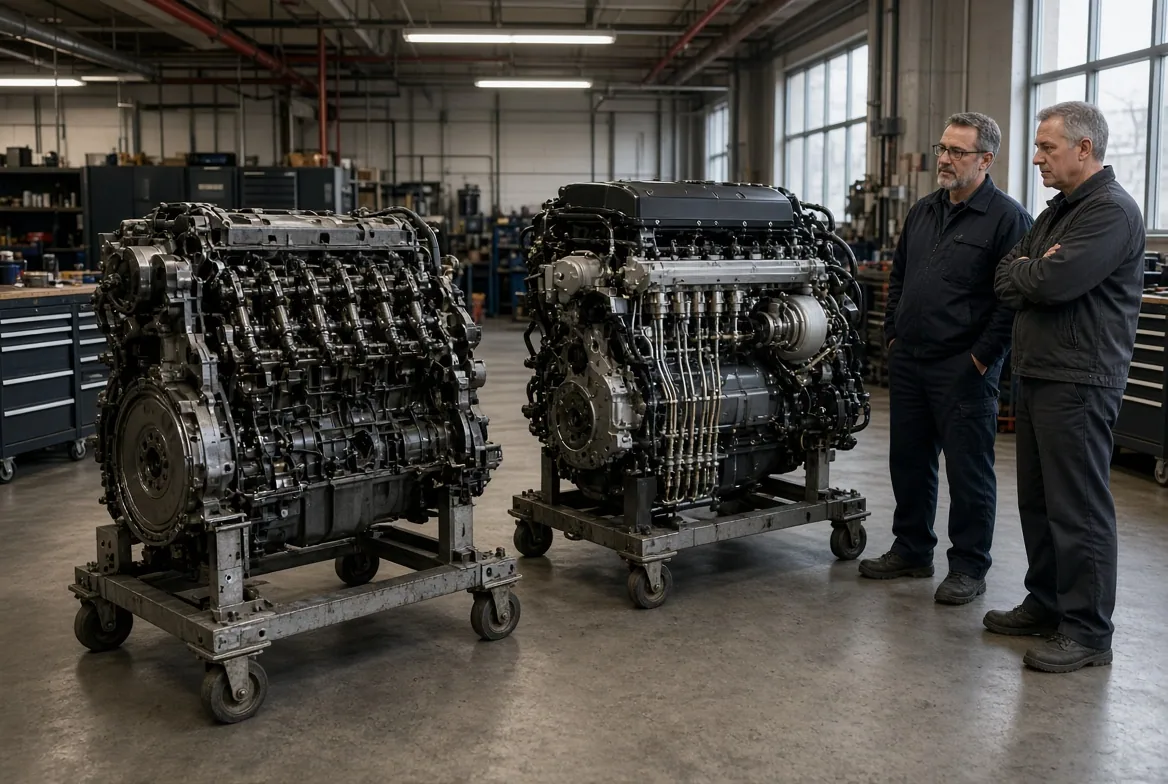
There are two very different fuel systems under the ISX name. Before the EPA 2010 engines, the ISX was a dual-overhead-cam engine in which one camshaft drove the valves and the other drove the injectors, which built their own injection pressure mechanically. Later ISX15 and X15 generations use XPI high-pressure common-rail injection in relevant configurations, while earlier ISX engines used different systems. Use engine serial number and Cummins QuickServe information to identify the exact fuel arrangement and its test limits instead of relying on a blanket model-year rule.
ISX/X15 fuel diagnosis: start with the actual engine and fuel system
The ISX and X15 names span applications and calibrations. Fuel pressure, metering and injector checks must be matched to the particular engine.
- Capture identification: Record engine serial/family and calibration before selecting specifications.
- Describe the operating pattern: Separate no-start, idle instability and power loss under demand.
- Document relevant evidence: Record filters, air, actual/commanded pressures and related fault codes where available.
Related guidance: Low rail pressure guide Pump identification
Diagnosing an ISX starts with knowing which one you have.
How to tell them apart
- Engine data plate and model year. The EPA 2010 ISX15 with CM2250 or later electronics is a common-rail engine. Earlier ISX engines are cam-actuated.
- Look at the engine. A common-rail engine has a high-pressure pump and a rail with lines to each injector. The earlier engine has neither and uses an integrated fuel system module to supply the injectors.
Cam-actuated ISX (before EPA 2010)
On these engines, the injector camshaft drives each injector’s plunger to create injection pressure, while electronic controls in the fuel system set timing and metering.
Common problems:
- Injector wear, causing smoke, rough running, loss of power and increased fuel use
- Injector cup leaks. The injectors sit in cups surrounded by coolant, and leaking cups allow combustion gas into the coolant or coolant into the fuel. See diesel injector cup and sleeve leaks.
- Overhead adjustment. Injector adjustment on the injector camshaft affects injection, and incorrect settings mimic injector faults.
- Fuel system module and supply problems, including restricted filters and air in the fuel
- Timing and fueling actuator faults at the fuel pump, including their wiring and connectors
XPI common rail (EPA 2010 ISX15 and X15)
On these engines, injection pressure comes from the pump and rail, and solenoid-controlled injectors deliver it to the cylinders.
Common problems:
- Low rail pressure from supply problems, pump wear, metering-valve faults or excessive injector leakage. See P0087 low fuel rail pressure.
- Injector wear and return leakage, causing hard starting, low power and rail pressure faults
- Contamination. At these pressures, water and fine abrasive particles do serious damage. Filtration and water separation are critical.
- High-pressure leaks at lines and connections, which are a safety and fire hazard as well as a performance problem
- Electrical faults in injector wiring and connectors
Diagnostic approach for either generation
- Identify the system from the engine data plate and configuration.
- Read active and inactive codes with Cummins service software or a capable aftermarket tool.
- Run the cylinder performance and cutout tests available in the service software to find weak cylinders.
- On XPI engines, run the fuel system leakage checks and compare desired with actual rail pressure under the conditions that cause the complaint.
- Check supply pressure, filter restriction and air in the fuel.
- Check the cooling system for combustion gases if coolant loss or overheating is part of the complaint.
- On XPI engines, inspect injector harnesses and connectors on suspect cylinders; on earlier engines, check the fuel system actuators and their wiring.
ISX and X15 engines in fleets
ISX and X15 engines run in many large fleets. For fleets, injector decisions are often made at overhaul or when downtime forces a quick exchange. Tracking injector part numbers, installation dates and failures by unit makes it easier to see whether a problem is isolated or systemic. See replacing injectors during an in-frame overhaul.
Three ISX questions worth answering
How do I know which ISX I have?
Start with the engine data plate and model year. If the engine has a high-pressure pump and a rail feeding individual lines to each injector, it’s XPI common rail. If it has two overhead camshafts and no rail, it’s the earlier cam-actuated design.
Can cam-actuated ISX injectors be tested and rebuilt?
Yes, with test equipment designed for them. They’re a different kind of injector from common-rail units, so the testing is different too.
Why does my X15 have rail pressure problems after a filter change?
Air introduced during the change, an incorrectly seated filter or a filter that doesn’t meet specification are common causes. Prime the system following Cummins’ procedure and recheck for air before suspecting the pump or injectors.
Manufacturer reference: Cummins: engine-specific technical information For procedures and specifications, use the current manufacturer information for your engine and model year.
Get ISX or X15 components tested or exchanged
Diesel Control Technicians handles heavy-duty fuel injection components for over-the-road trucks. Send DCT the injector part numbers and engine serial number to check exchange options, or request approval to ship the identified injectors or pump for supported testing with your codes and test results.
Plan the next move for Cummins ISX and X15 Fuel System Problems by Generation: Keep the engine and component identifiers, earlier diagnostic results and service question together. Our mail-in process explains how DCT assigns the correct receiving facility when a component is approved, while the inquiry form gets the review started. For vehicle appointments, Hutchinson provides automotive service.
QUESTIONS ABOUT YOUR DIESEL COMPONENT?
Dealing with Cummins ISX and X15 Fuel System Problems by Generation?
Cummins ISX and X15 fuel systems differ across generations. Learn how engine identification, operating symptoms and supply-versus-injection evidence prevent mistaken component conclusions. Include the exact component number, equipment application, symptoms and checks already completed.
Heavy-duty fault information needs the correct diagnostic language
An OBD P0087 label is only a starting analogy on some heavy-duty systems. Record the original engine SPN/FMI or OEM fault identifier and its operating evidence, then use the appropriate manufacturer procedure; a passenger-vehicle P-code is not an automatic match. Explore the relevant DCT diagnostic resource.
PRACTICAL GUIDANCE
Know the engine generation before matching a fault to a component
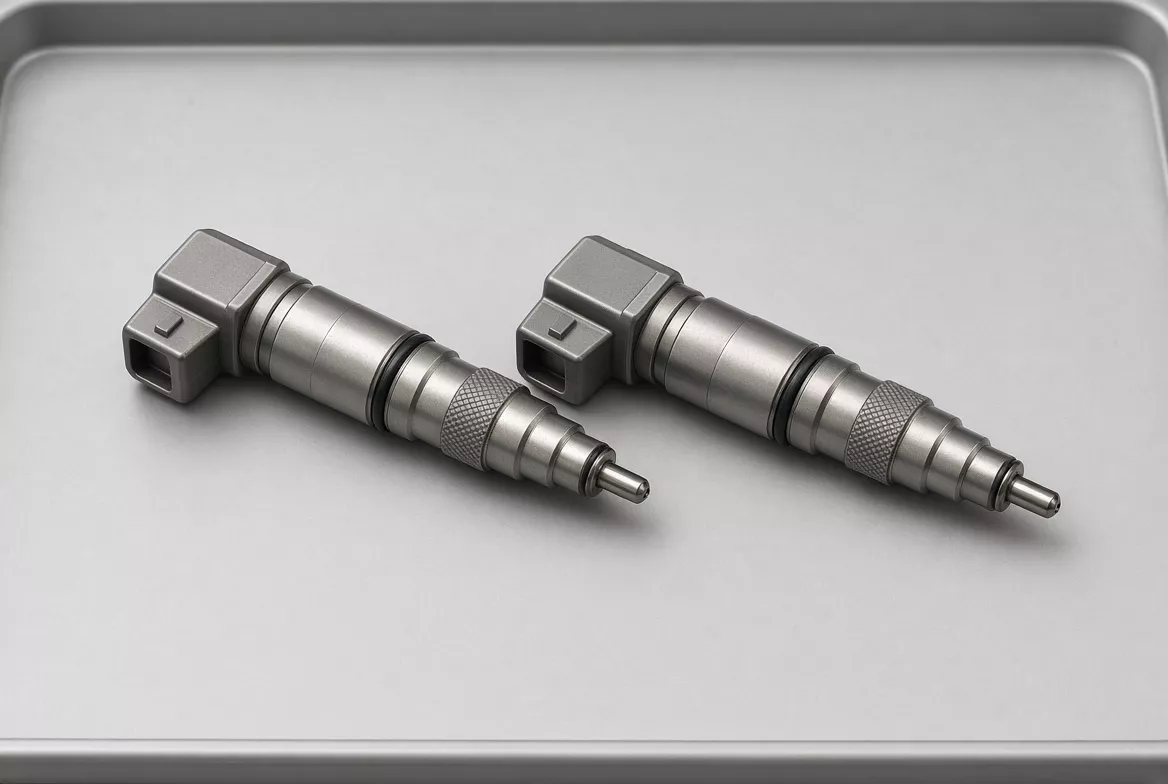
Cummins ISX and X15 names span materially different injection arrangements. A pump, injector or test assumption from one generation may not apply to another.
- Confirm engine serial, emissions generation and component number.
- Keep low-pressure supply and control evidence separate from actual high-pressure conditions.
- Avoid ordering a component using only the engine marketing name.