
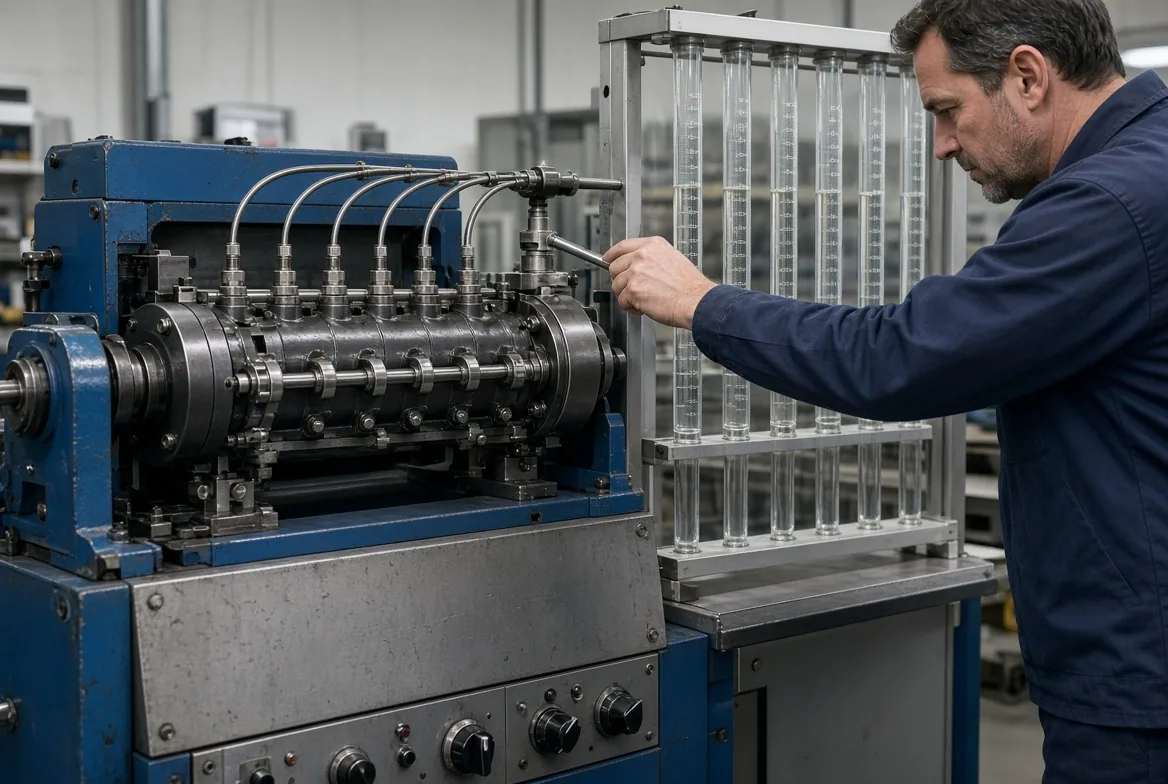
Injection pump calibration is the process of running a pump on a test stand and adjusting it until it delivers the specified amount of fuel, at the specified speeds and control positions, with the specified timing behavior for its exact part number. It’s the step that turns a clean, freshly assembled pump into one that will actually run the engine correctly.
Injection pump calibration: what a bench result does and does not prove
Calibration describes measuring and adjusting pump behavior to the correct model-specific specification; it is not the same as assuming an engine performance complaint has only one cause.
- Record the pump specification: Complete part number, variation and application control the valid setup.
- Separate pump and vehicle: An installed-system supply, timing or wiring fault can remain even if the removed pump tests correctly.
- Discuss the scope: Confirm what inspections, adjustments and documented results a given evaluation includes.
Related guidance: Calibration service options Pump ID guide
A pump can be perfectly assembled with new parts and still be wrong. Calibration is how you find out.
What a test stand does
For applicable mechanical designs, a calibration stand spins the pump through defined operating speeds with a controlled drive. It uses the designated test injectors and lines, where applicable, and measures delivery at the specified test points. The stand also supplies fuel at controlled temperature and pressure, because fuel temperature changes viscosity and viscosity changes delivery.
The technician works through a test plan for that pump number. At each step the stand runs at a set speed and control position, delivery is measured, and adjustments are made where the design allows.
The checks that matter
The plan varies by pump family, but these are the core measurements.
Delivery at rated speed and full load. The fuel quantity that sets the engine’s rated power.
Delivery at peak torque speed. A pump calibrated correctly at rated speed but wrong here can feel weak where you need pulling power, or smoke heavily.
Idle delivery and idle stability. Too little and the engine stalls. Uneven delivery between outlets makes the idle rough.
Start fuel. Most mechanical pumps deliver extra fuel during cranking to help the engine fire, then reduce it once running.
Governor behavior. On mechanical pumps, the governor must begin cutting fuel at the right speed and stop delivery at high idle. A governor that cuts off late can let an engine over-speed.
Cylinder-to-cylinder balance. On inline pumps, each plunger is a separate pumping element, and each must deliver within a tight window of the others. On rotary pumps, outlet-to-outlet balance is checked as well.
Timing and advance. Inline pumps are checked for the correct spacing between injection events. Rotary pumps with automatic advance are checked to make sure advance increases with speed or load as designed.
Boost or altitude compensation. On pumps with an aneroid or boost compensator, the stand verifies how much additional fuel the pump allows as boost rises, which controls smoke.
Supply and return. Internal transfer pump pressure and return flow are measured because they affect delivery and the pump’s ability to cool and lubricate itself.
Shutoff. The pump must stop delivering fuel when the shutoff solenoid or lever is actuated.
Electronic pumps add another layer
Pumps like the Bosch VP44 and Stanadyne DS4 meter fuel electronically. Calibrating them means the test stand, or electronics connected to it, must command the pump the way the engine computer would, then verify the pump responds correctly across its range. The hydraulic section and the electronics both have to be right.
Why the part number controls everything
Two pumps can look identical and carry very different calibrations. Delivery, governor settings, timing and boost compensation are matched to a specific engine rating and emissions configuration. That’s why the pump’s identification tag matters so much, and why a pump that came from a different engine isn’t automatically a match even if it bolts on. See our guide to reading an injection pump tag.
It’s also why changes made outside the specification, such as bending a governor setting or turning up fuel delivery, can have consequences beyond drivability. Excess fuel raises exhaust temperature and smoke, and changing a calibration on an emissions-certified engine can violate federal and state anti-tampering rules.
Calibration versus rebuilding
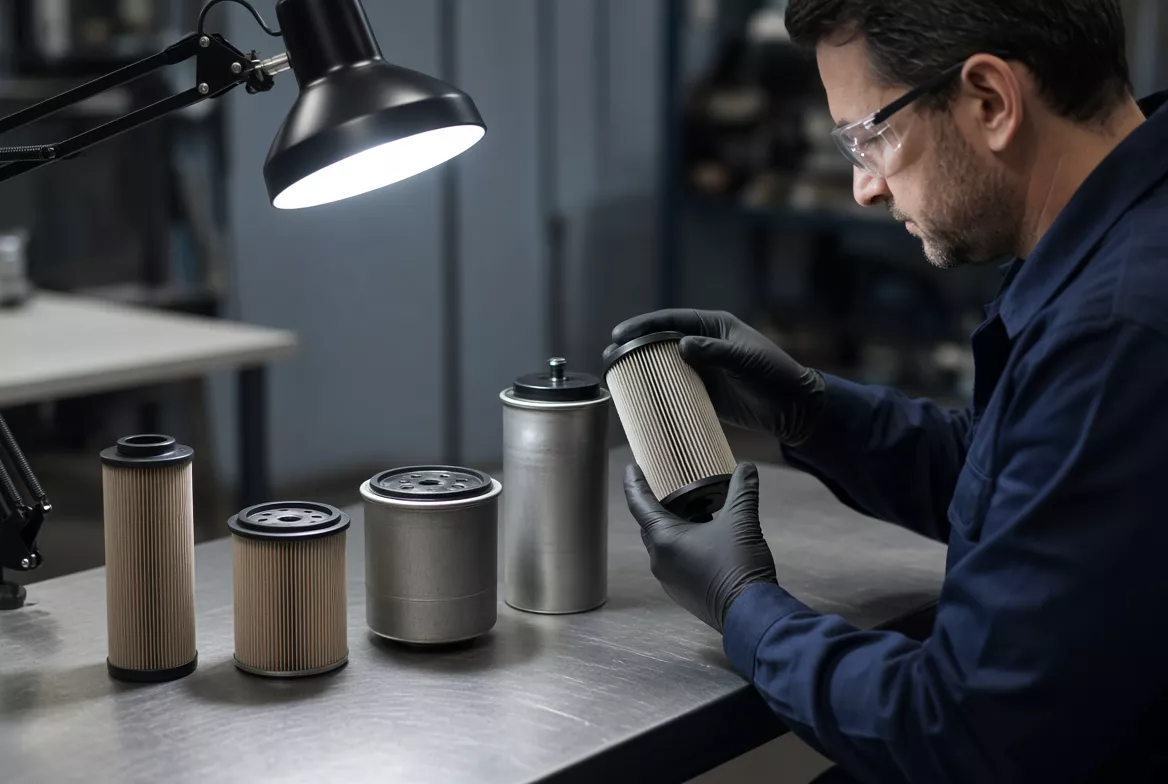
Calibration is one stage of a proper rebuild, not a substitute for it. A worn pump can sometimes be adjusted to meet some test points while failing others, because no amount of adjustment restores worn surfaces. Our article on what happens in an injection pump rebuild covers the teardown, inspection and parts replacement that come before the pump ever goes on the stand.
When a pump needs calibration
- After any rebuild or internal repair
- When a pump has been adjusted by someone else and the engine hasn’t run right since
- When a pump is being moved from one engine to another
- When symptoms such as smoke, low power or poor governing point to delivery or governor settings
Manufacturer reference: Bosch: Diesel Repair Network and supported component service For procedures and specifications, use the current manufacturer information for your engine and model year.
Have your pump calibrated by DCT
Diesel Control Technicians calibrates diesel injection pumps as part of testing, repair and rebuild work for customers across the country. Send a clear photo of the pump’s tag along with the engine model and symptoms, and we’ll help identify it and explain the likely options before you ship it.
Where Injection Pump Calibration leads next: Confirm the actual pump or component family before replacing parts. Record the engine application, existing tests and symptoms, then review the testing process or request a component review. DCT confirms service eligibility and receiving instructions individually.
QUESTIONS ABOUT YOUR DIESEL COMPONENT?
Have questions about Injection Pump Calibration: What the Test Stand Checks?
Calibration is more than a visual inspection or leak check. Learn what an appropriate test stand may verify and why specific procedures depend on the pump family. Include the complete pump nameplate, engine application, operating complaint and relevant supply or control findings.