
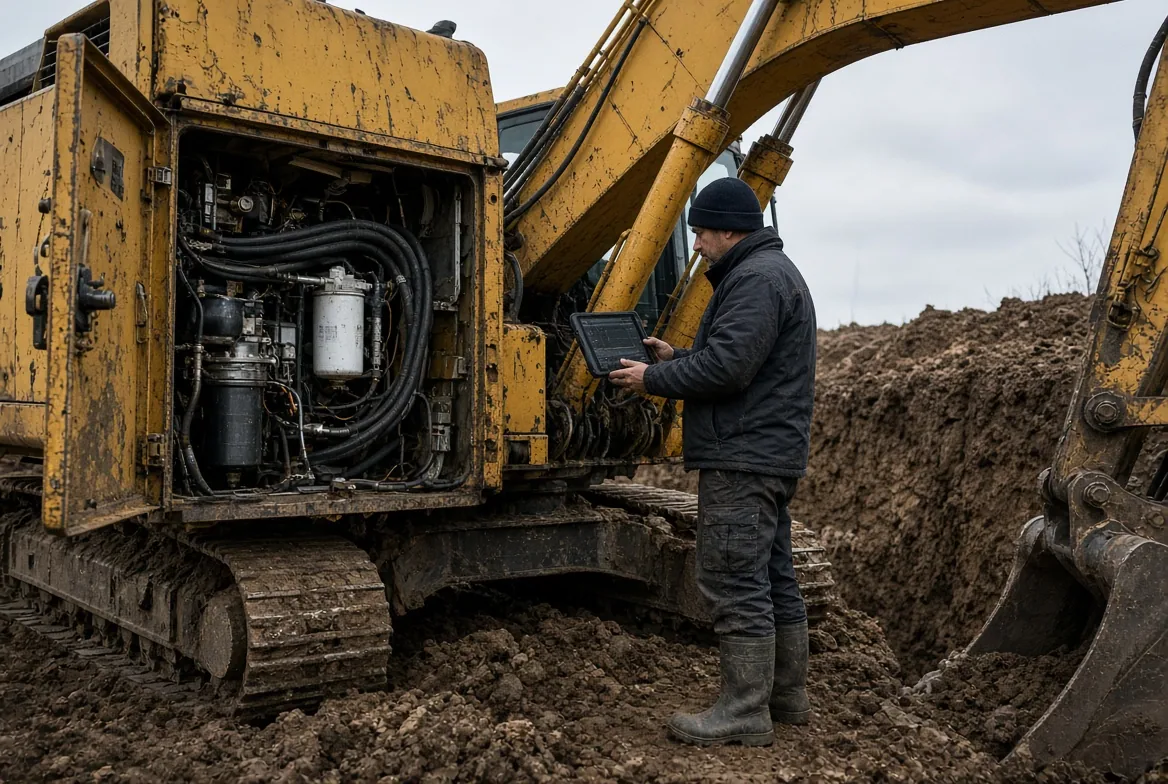
The fastest way to sort an excavator power complaint is to watch engine speed under load. If the engine bogs down, its speed drops and it smokes or labors when you dig, the engine side, including fuel, air, cooling and electronic derates, is the place to start. If the engine holds its speed but the boom, stick or swing feel weak or slow, the hydraulic system is more likely at fault. Modern machines blur that line, because the engine and hydraulic controls talk to each other, but the speed test still points you in the right direction.
How engine and hydraulics interact
On most modern excavators, the hydraulic pump draws power from the engine, and the machine’s controller manages hydraulic demand to keep the engine from stalling. If engine speed starts to drop, the controller reduces the pumps’ output. That’s helpful, but it means a weak engine can feel like weak hydraulics, because the controller is deliberately holding the hydraulics back to protect the engine.
So when hydraulics feel weak, check whether the engine is reaching and holding its rated speed under load before assuming the hydraulic pump is worn.
Engine-side causes
Fuel supply
- Plugged fuel filters, especially after fueling from a dirty tank or can
- Water in the separator
- Air leaks on the suction side
- A weak transfer or lift pump
Fuel restrictions often show up as power loss after the machine has worked hard for a while, when demand is highest.
Injection system
- Low rail pressure on common-rail engines from pump wear, metering problems or injector leakage
- Worn injectors that can’t deliver full-load fuel
- Worn mechanical pumps on older machines
Air intake
Excavators work in dust. A plugged air filter or restricted intake starves the engine. Check the restriction indicator and the filter’s condition.
Cooling
A radiator or oil cooler packed with dust and debris makes the machine run hot. Many machines reduce power when temperatures climb. Blow out and clean the cooling package.
Aftertreatment and derates
Machines with diesel particulate filters, SCR or both can derate for exhaust restriction, DEF problems or sensor faults. The monitor usually shows a code or warning.
Hydraulic-side causes
- Worn hydraulic pump or motor
- Relief valves set low or leaking
- Pilot pressure problems
- Control valve or solenoid faults
- Low or contaminated hydraulic oil
A practical diagnostic order
- Read the machine’s monitor for codes and warnings.
- Check engine speed at full throttle with no load, then while digging.
- Inspect fuel filters, the water separator and the air filter.
- Clean the cooling package and check operating temperatures.
- If the engine bogs: check fuel supply pressure, look for air, and on common-rail engines, check rail pressure under load.
- If the engine holds speed but hydraulics are weak: move to hydraulic pressure testing.
Fuel contamination on job sites
Job-site fueling, from tanks on service trucks, cans and temporary storage, is a leading source of water and dirt in construction equipment. Modern common-rail engines on Tier 4 machines are particularly sensitive. See Tier 4 Final fuel system problems.
Engine side or hydraulic side: a quick comparison
| What you notice | Leans engine/fuel | Leans hydraulic |
|---|---|---|
| Engine rpm drops noticeably when digging | ✓ | |
| Black smoke under load | ✓ | |
| Problem gets worse as the machine heats up | ✓ (cooling, fuel) | ✓ (hydraulic oil) |
| Engine rpm holds, functions slow | ✓ | |
| One function weak, others normal | ✓ | |
| Warning or derate on the monitor | ✓ | Possible |
When both sides look suspicious, start with the engine side. A machine that can’t make engine power can’t make hydraulic power either.
Manufacturer reference: Cummins: diesel fuel storage and transfer For procedures and specifications, use the current manufacturer information for your engine and model year.
When the engine side is the problem
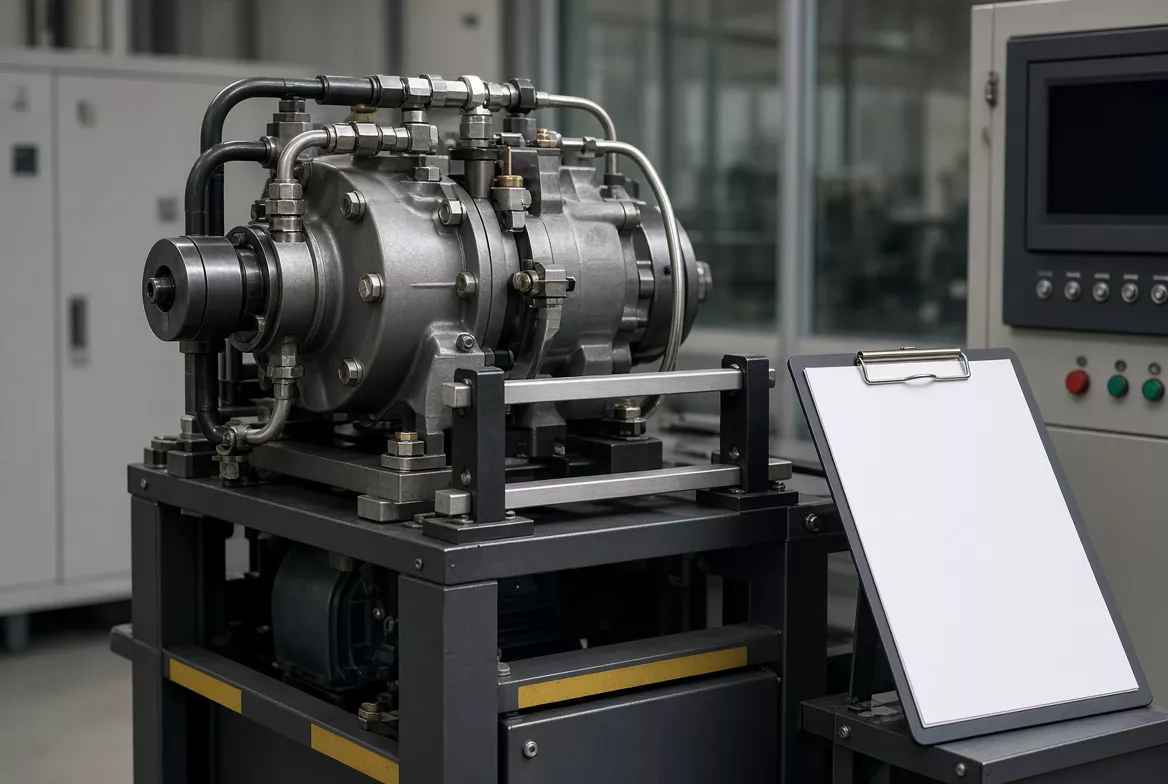
When an excavator diagnosis points to the injection pump or injectors, DCT can review a component inquiry before an approved shipment or drop-off. Our team selects the appropriate receiving location for the exact equipment. If the complaint may involve hydraulics rather than engine fueling, the related loss-of-power guide helps frame the next diagnostic question.
Where Excavator Loses Power leads next: Confirm the actual pump or component family before replacing parts. Record the engine application, existing tests and symptoms, then review the testing process or request a component review. DCT confirms service eligibility and receiving instructions individually.
QUESTIONS ABOUT YOUR DIESEL COMPONENT?
Excavator Loses Power: Engine, Fuel or Hydraulics?
Excavator power loss can originate in the engine, fuel system or machine controls. Learn which observations help distinguish these paths before a pump or injector is removed. Include the complete pump nameplate, engine application, operating complaint and relevant supply or control findings.