Accessibility
CONNECTED SERVICE WORKFLOW / STEP 02 OF 06
See what a supported injector bench test can reveal before you replace expensive parts on a hunch.
The type of injector controls what a test can establish. A single generic test cannot establish all mechanical, common-rail and HEUI failure modes.
Related guidance: Compare injector pop testing Ask about approved testing
DCT SERVICE PROCESS / STEP 02
Injectors may all serve the same broad purpose, but they do not all answer the same questions in the same way. Mechanical injectors, common-rail injectors, electronic unit injectors and HEUI designs each require the right test method and the right interpretation. That is why DCT treats injector testing as a specialist service—not a one-size-fits-all checkbox.
When customers send an injector inquiry, they are usually looking for certainty. Is the injector leaking? Is it delivering properly? Is the electrical side responding the way it should? Could contamination or wear be part of the story? DCT helps frame those questions around the actual injector family, then explains what supported testing can and cannot prove.
A good injector test does more than produce numbers. It helps determine whether the component deserves cleaning, repair, rebuilding, calibration or replacement—and it helps prevent perfectly good money from being spent in the wrong direction.
Supported delivery, leakage, opening behavior, return-flow or electrical-response information matched to the injector type.
That every engine symptom automatically belongs to the injector. Wiring, fuel supply, compression and controls still matter.
The exact work varies with the component and remains subject to confirmed eligibility, applicable procedures, available parts and customer authorization. But when the injector is the suspect, specialist testing is where a confident decision begins.
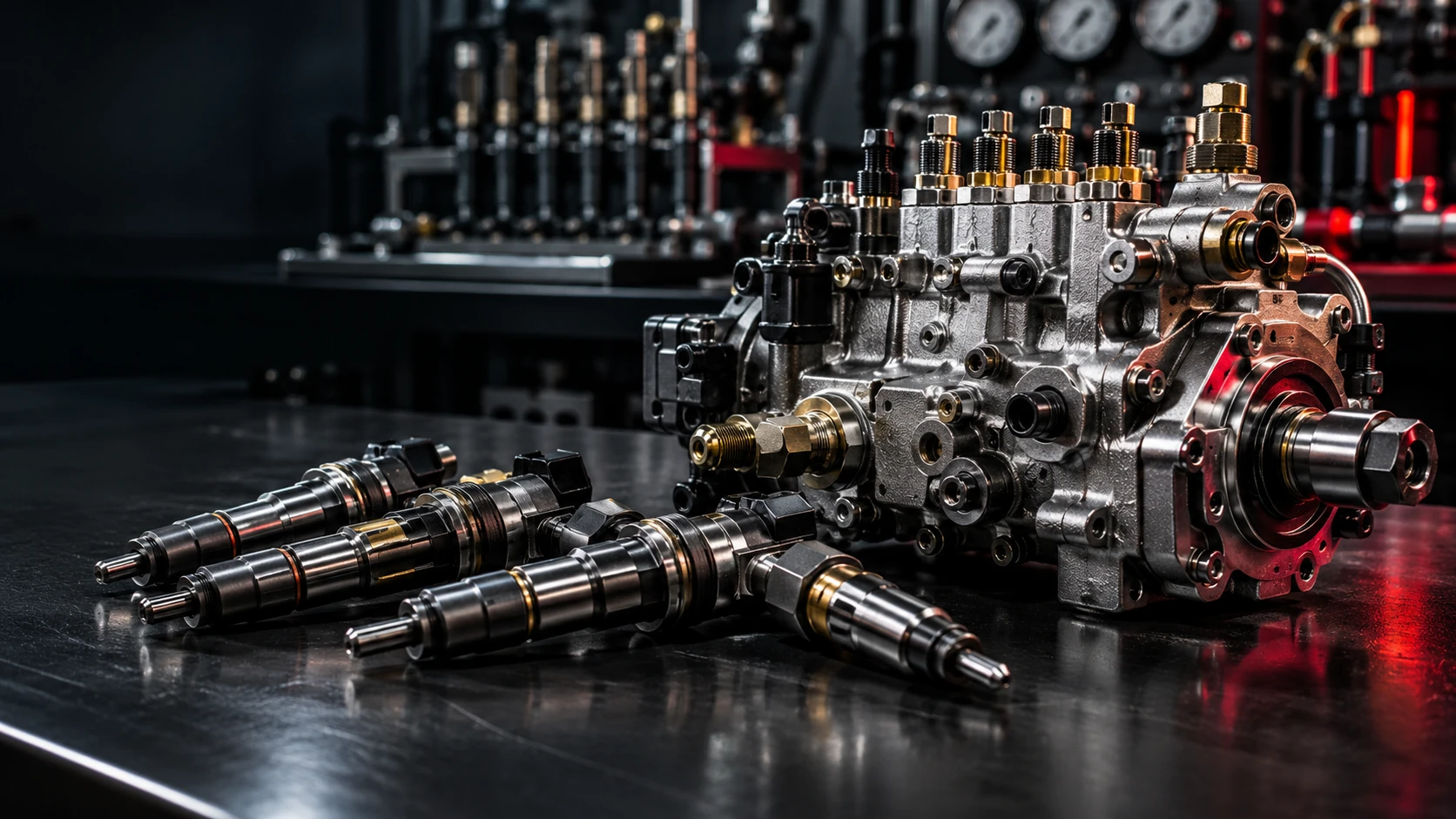
These six stages explain the overall fuel-injection workflow. A specific component may require only some of them. Service scope is decided after evaluation and approval.
THE THINKING BEHIND THE WORK
An injector may be blamed for smoke, a misfire or a difficult hot start, yet the underlying cause can be elsewhere in the fuel system. Real injector testing begins by understanding whether the unit is mechanical, common-rail, unit-injection or HEUI and choosing a method suited to that family.
The result is more than a test number. It is a clearer picture of how the injector behaves under supported conditions, how the result relates to the complaint and whether the next discussion should involve cleaning, repair, rebuilding or replacement.
THE DETAILS, WHEN YOU WANT THEM
The underlying technical steps still matter, but they should serve the outcome rather than overwhelm the story. Your exact component and the approved scope determine which of these questions apply.
Mechanical units may need opening-pressure, spray pattern and leakage checks.
Common-rail units may require electrical response, delivery and back-leak checks.
EUI/HEUI systems require attention to their own actuation and control design.
Results must be interpreted against the part number and a supported test procedure.
A mechanical pop test should not be represented as a universal common-rail injector test. The available measurements and conclusions are different.
SPECIALIST SERVICE / NATIONWIDE INQUIRIES
A diesel engine fault code or smoke complaint does not automatically prove a bad injector. Injector bench testing examines a removed component in a controlled setting. The right procedure depends on whether the injector uses mechanical nozzle opening pressure, electronic common-rail actuation, unit-injector technology or HEUI oil-hydraulic actuation. Give DCT the injector number, engine application and previous measurements before requesting testing.
THE QUESTION THAT MATTERS
Mechanical pop tests and common-rail electronic tests are not interchangeable. A result from one pressure point cannot describe an injector’s entire operating envelope. Ask which measurements, test limitations and documentation apply to the unit submitted.
With the exact part identity and the service history in view, DCT can discuss the appropriate testing, repair or replacement questions without making promises the evidence cannot support.
AN EASY FIRST STEP, NOT AN ASSUMPTION
Customers throughout the U.S. can share the part number, engine or equipment application, symptoms and relevant photographs. DCT then reviews whether the component may be accepted and, if approved, provides written receiving and shipping instructions. We will confirm acceptance and send the correct written receiving details before your component begins its journey.
After authorized receipt and the agreed evaluation, DCT explains findings, presents any further work for separate approval and confirms applicable return arrangements and written coverage. The team confirms the applicable service scope and next steps for your specific component.
No. A bench result describes a removed component under test conditions. Wiring, air delivery, low-pressure fuel supply, compression and engine controls also affect performance.
Include your engine and symptoms in the request. DCT can discuss how many components are appropriate to evaluate; identifying cylinder location is useful.
Equipment and test plans differ. Send the complete model number first so support can be checked.
DECIDE WITH THE RIGHT INFORMATION
Cylinder misfire, smoke and hard starting can have causes beyond the injector itself. The correct test depends on whether the component is mechanical, common rail, unit injection or another supported design.
FROM THE DCT PHOTO ARCHIVE
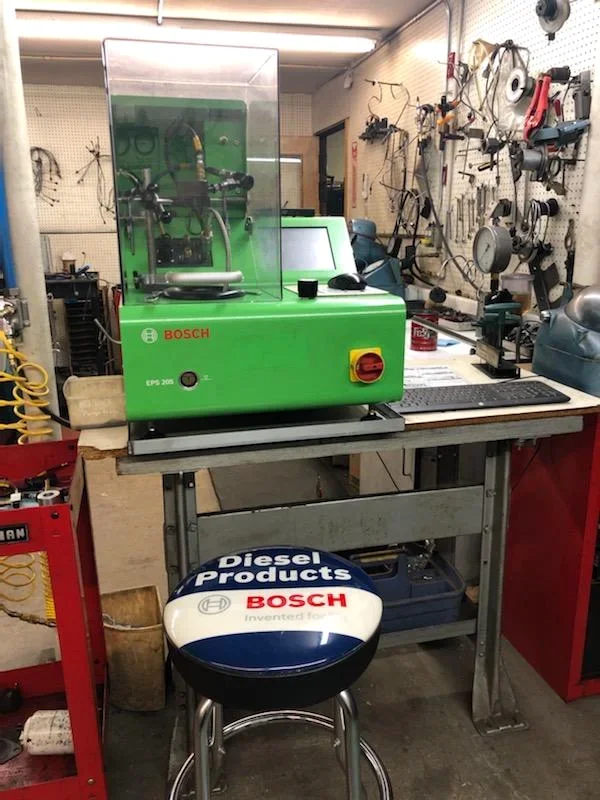
A view of DCT testing equipment. Applicability depends on the injector system and supported test method.

RELATED SERVICE & PARTS QUESTIONS
Injector diagnostic testing may answer different questions for mechanical, common-rail, unit-injection and HEUI systems. Explain the injector family, symptoms and available test results; no single flow or electrical reading proves every injector fault.
PRACTICAL GUIDANCE
Injector testing has to match the design. A mechanical nozzle opening check, a common-rail return/leakage assessment and an HEUI actuation investigation do not establish the same facts.