A symptom opens the investigation; it does not close it
A hard start, smoke complaint or loss of power can arise from fuel supply, air handling, controls, engine condition or an injection component. Record when the problem appears, what has already been measured and whether the machine was recently serviced. Accurate evidence helps prevent unnecessary component removal or replacement.
Different pumps and injectors require different questions
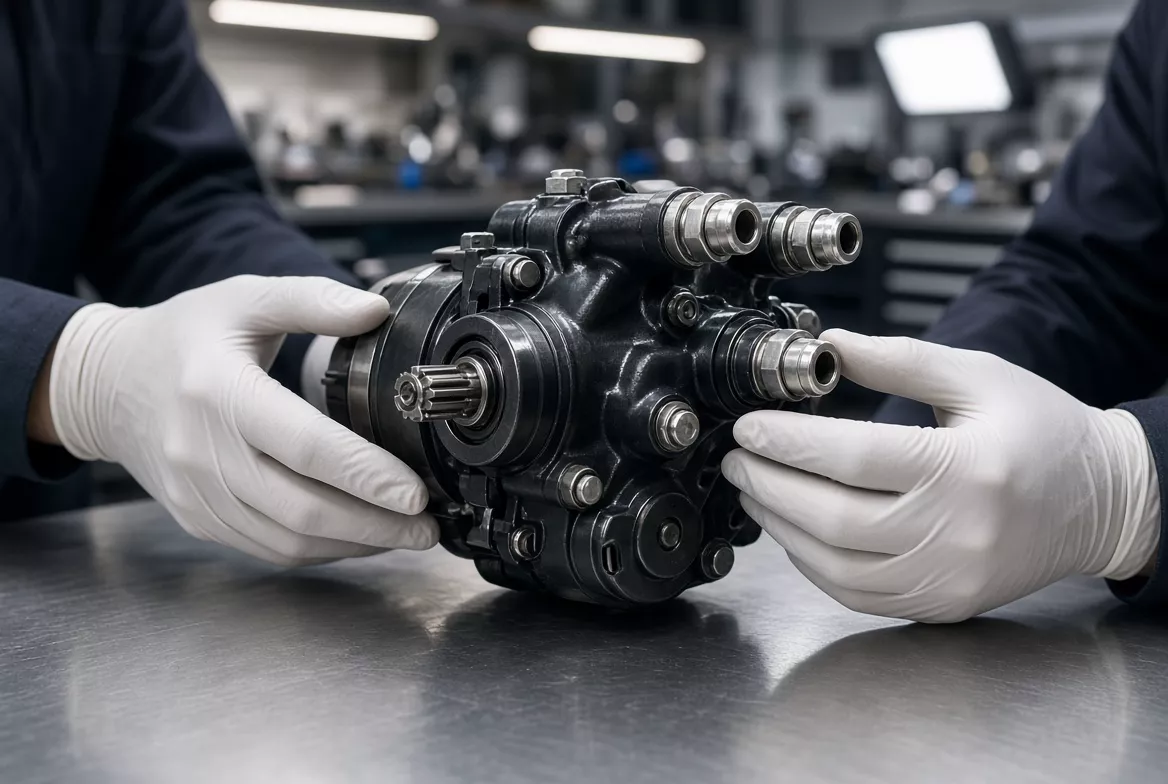
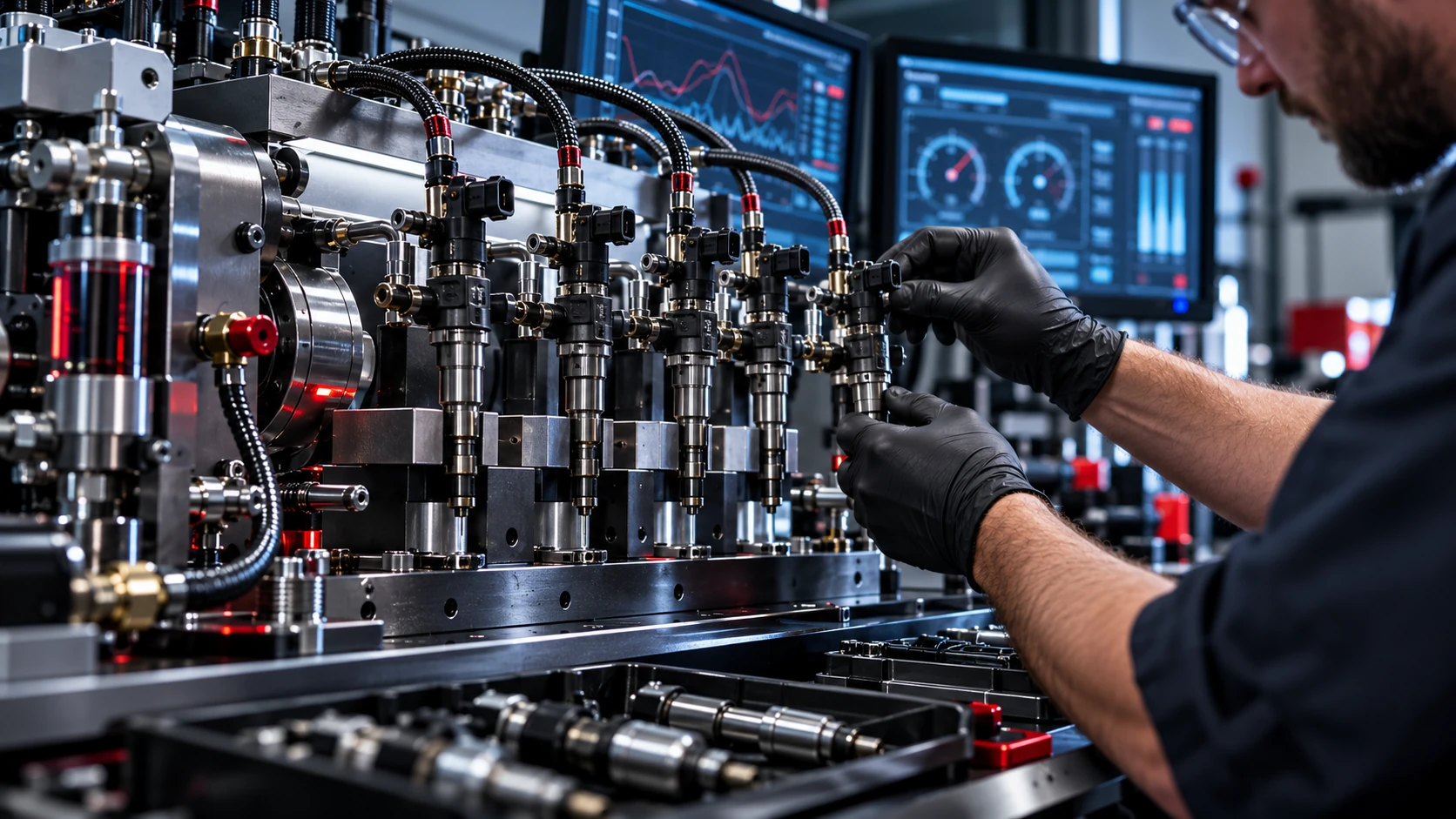
Mechanical equipment, electronically controlled pumps, unit injectors, HEUI designs and common-rail components are not evaluated in the same way. Their test procedures and safety requirements depend on the exact part and supported diagnostic scope. Review how injector testing is evaluated and how pump testing differs.
Prepare an evidence-based request
Share the machine, engine, component number, symptom timing, fault codes if relevant and earlier testing. For high-pressure common-rail systems, do not loosen fuel fittings or attempt unsafe manual spray testing. DCT can then discuss whether component-level service is eligible or further vehicle-side diagnosis is needed.
Make reported symptoms and tests comparable
A diagnosis is more valuable when it records the operating conditions behind each observation. A pressure value without engine state, temperature, load and measurement point can be misleading. Similarly, a stored fault code may reflect wiring, fuel supply or an event that occurred before the current symptom.
Details to check before the next step
- Describe the symptom in plain language and record when it occurs: cold start, idle, acceleration, towing or sustained load.
- Retain relevant codes and measurements with equipment identifiers and timestamps when available.
- Separate confirmed measurements from hypotheses before ordering or removing costly fuel-system components.
Making an informed service decision
Avoid unsafe testing around high-pressure fuel equipment and moving machinery. DCT can evaluate the identified component within supported procedures; the vehicle technician should address power, wiring, engine mechanical condition and fuel supply as appropriate.
Related information: Diesel Fuel Injection Trouble Codes, Decoded, Diesel Engine Symptom Guides, Start a Mail-In Repair Inquiry.