
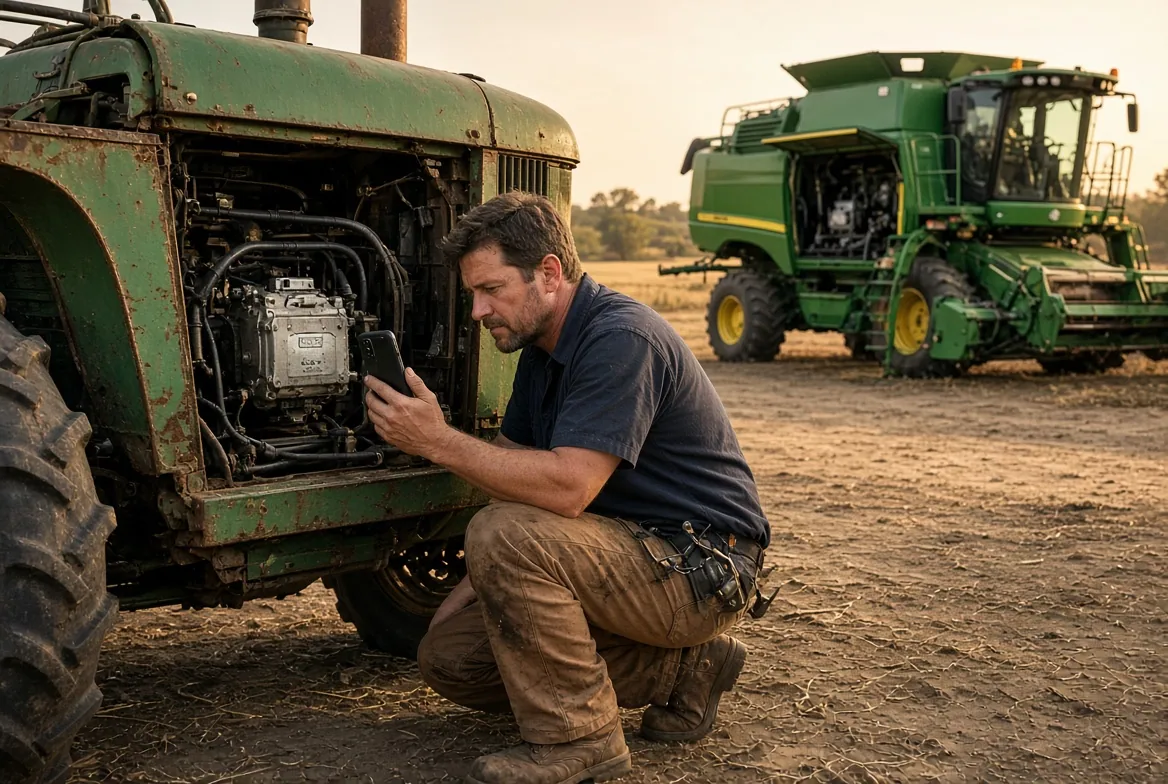
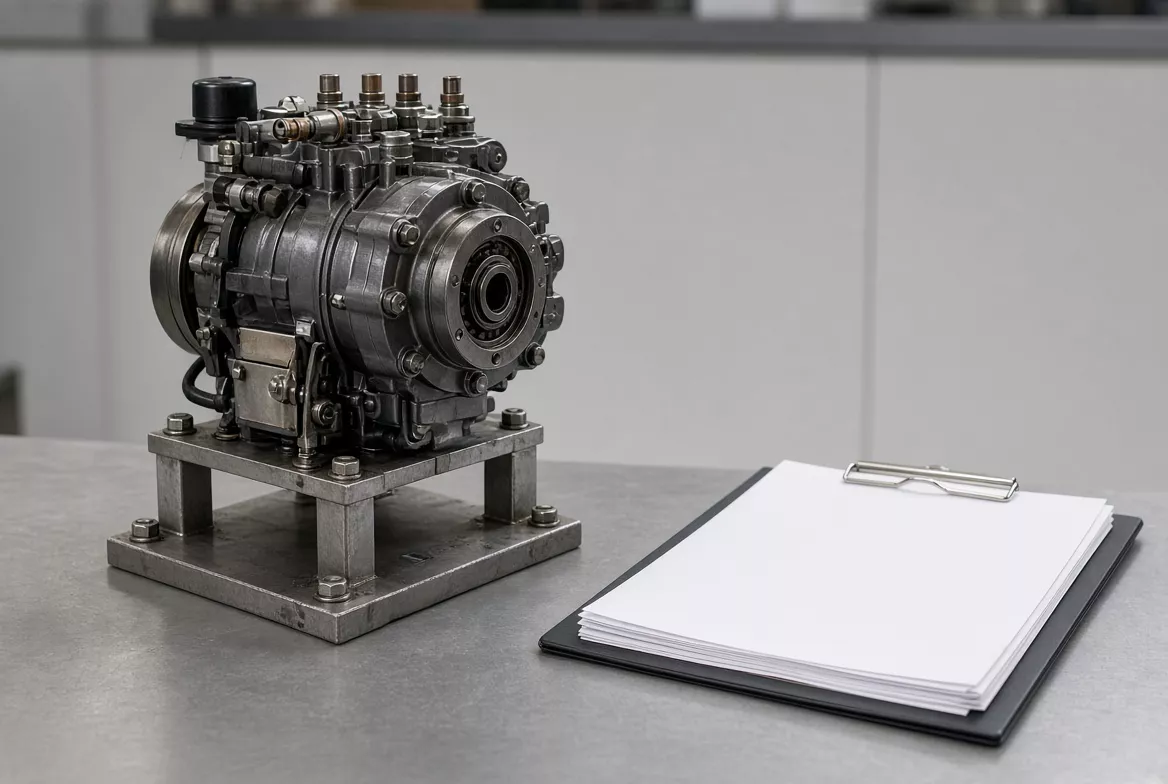
John Deere tractors, combines, sprayers and industrial engines have used several different injection systems over the decades, so “John Deere injection pump problems” depends on which engine you’re standing next to. Broadly, many older and mid-era engines, including many 3029, 4045 and 6068 versions, used Stanadyne rotary pumps like the DB2 and DB4, while others used Bosch VP44, Delphi rotary or Stanadyne electronic pumps; larger and older engines often used inline pumps; and many later engines use Denso high-pressure common rail, including the HP4 pump on Deere’s 9.0-liter engine. Each family has its own typical failures.
Step one: identify the pump
Look for the pump’s own tag and the Deere part number, which typically begins with RE. Record both, along with the engine serial number from the engine plate. A Stanadyne model number such as one in the DB4629 family tells you you’re dealing with a rotary pump; a Denso label on a pump feeding a rail tells you it’s common rail. See injection pump identification.
Stanadyne rotary pumps (DB2, DB4 and relatives)
These mechanical pumps are fuel-lubricated, with a governor and automatic advance inside.
Typical problems:
- Hard starting when hot from internal wear
- Leaks at throttle shaft seals and covers
- Shutoff solenoid failure causing a no-start
- Governor wear causing hunting under changing load, which is very noticeable on a tractor pulling an implement through varying soil
- Advance problems, with white smoke and poor running
For more on how these pumps work and wear, see Stanadyne DB2 injection pump.
Deere inline pumps
Inline pumps, with one pumping element per cylinder, appear on many larger and older Deere engines.
Typical problems:
- One weak cylinder from a worn element or leaking delivery valve
- Governor and rack issues affecting speed control
- Leaks at delivery valve holders and gaskets
- On pumps lubricated by engine oil, fuel dilution of the oil
Denso common rail
Later PowerTech engines in tractors, combines and sprayers use Denso common-rail systems, with an electronically controlled high-pressure pump and injectors.
Typical problems:
- Low rail pressure from supply restriction, pump wear or metering valve faults
- Injector wear and return leakage
- Contamination damage from water and abrasive particles, which is the single biggest threat in farm fueling conditions
- Sensor and wiring faults
Deere’s Service ADVISOR diagnostic software, or a capable aftermarket tool, provides the data needed to separate pump problems from injector and supply problems. See Denso HP4 pump problems.
Problems that aren’t the pump
On any Deere engine, check these before pulling a pump:
- Fuel filters and water separator, especially on machines fueled from a farm tank
- Air leaks at filter housings, lines and primer pumps
- The transfer or lift pump
- Fuel quality: water, microbial growth and old fuel from storage
- Glow plugs or intake heaters for cold-start complaints
Farm-specific prevention
Most injection failures on farm equipment trace back to fuel handling. Keep bulk tanks clean and dry, filter fuel at the tank, drain water separators regularly and don’t store machines with old, wet fuel. See farm diesel fuel storage tanks.
Plan Deere pump work around the season
The best time to have a suspect Deere injection pump or injectors tested is between seasons. A tractor that started hard or lacked power at the end of harvest can be tested over winter, rebuilt or repaired if needed, and ready before planting. Waiting until it fails in the field turns a planned repair into an emergency. See tractor injection pump failure at harvest.
What to send with a Deere pump or injectors
- The pump’s tag photo and the Deere RE number
- The engine serial number and machine model
- What the machine was doing: hard starting, low power, hunting, smoke
- Whether the machine was fueled from a farm tank, and any water or contamination found
- Whether anything has been adjusted or replaced already
Manufacturer reference: John Deere: engine parts and support For procedures and specifications, use the current manufacturer information for your engine and model year.
Get your Deere pump tested or rebuilt
Diesel Control Technicians tests and repairs agricultural fuel injection systems. Farmers in central Kansas can ask DCT to confirm whether an appropriate Hutchinson vehicle appointment or approved component receiving at either facility is available. If you’re farther away, send a photo of the pump tag and the Deere part number, and we’ll tell you how to ship it. If the machine is needed in the field now, ask whether an exchange unit is available.
Where John Deere Injection Pump Problems by Engine Era leads next: Confirm the actual pump or component family before replacing parts. Record the engine application, existing tests and symptoms, then review the testing process or request a component review. DCT confirms service eligibility and receiving instructions individually.
QUESTIONS ABOUT YOUR DIESEL COMPONENT?
Dealing with John Deere Injection Pump Problems by Engine Era?
John Deere engines have used different fuel-injection systems across generations. Learn how to identify the relevant pump or injector system and avoid carrying assumptions from one engine era to another. Include the complete pump nameplate, engine application, operating complaint and relevant supply or control findings.