
Diagnosis & Evaluation
Start with the component, symptoms, application and evidence—not a guess about which part to replace.
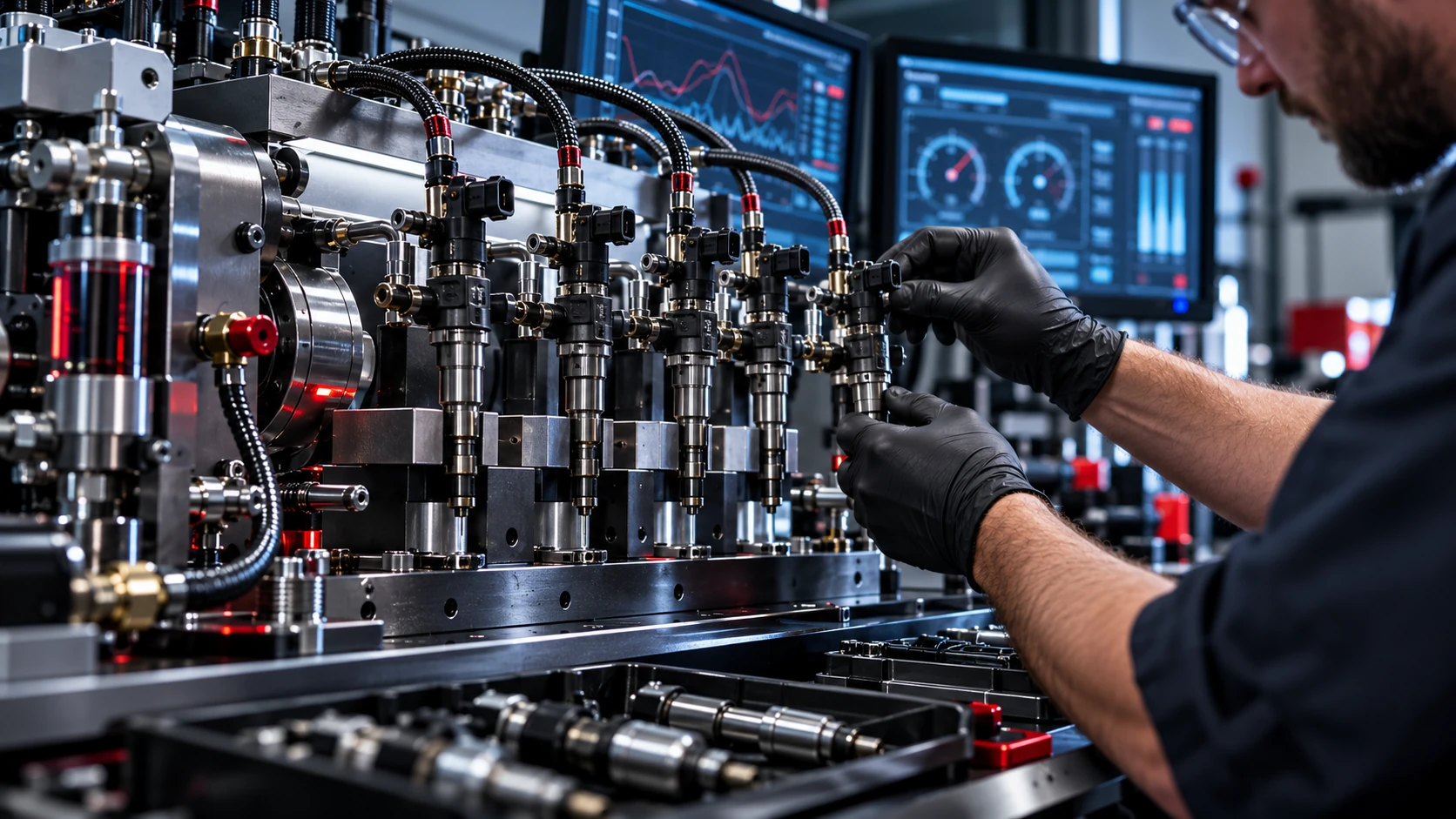
SPECIALIST SERVICES / FUEL INJECTION
Identify the right component, understand the problem, and follow a connected service process from diagnosis to final verification, based on what your component needs.
WHAT WE FOCUS ON
An injection pump and injector don’t operate in isolation. Pressure, timing, atomization, metering, wear and contamination can all affect performance. Accurate decisions start with knowing the system and the exact component.
DCT helps owners, repair facilities, fleets and equipment operators inquire about appropriate inspection, testing, cleaning/restoration, repair, rebuilding, overhaul and calibration services for supported diesel fuel-injection components.
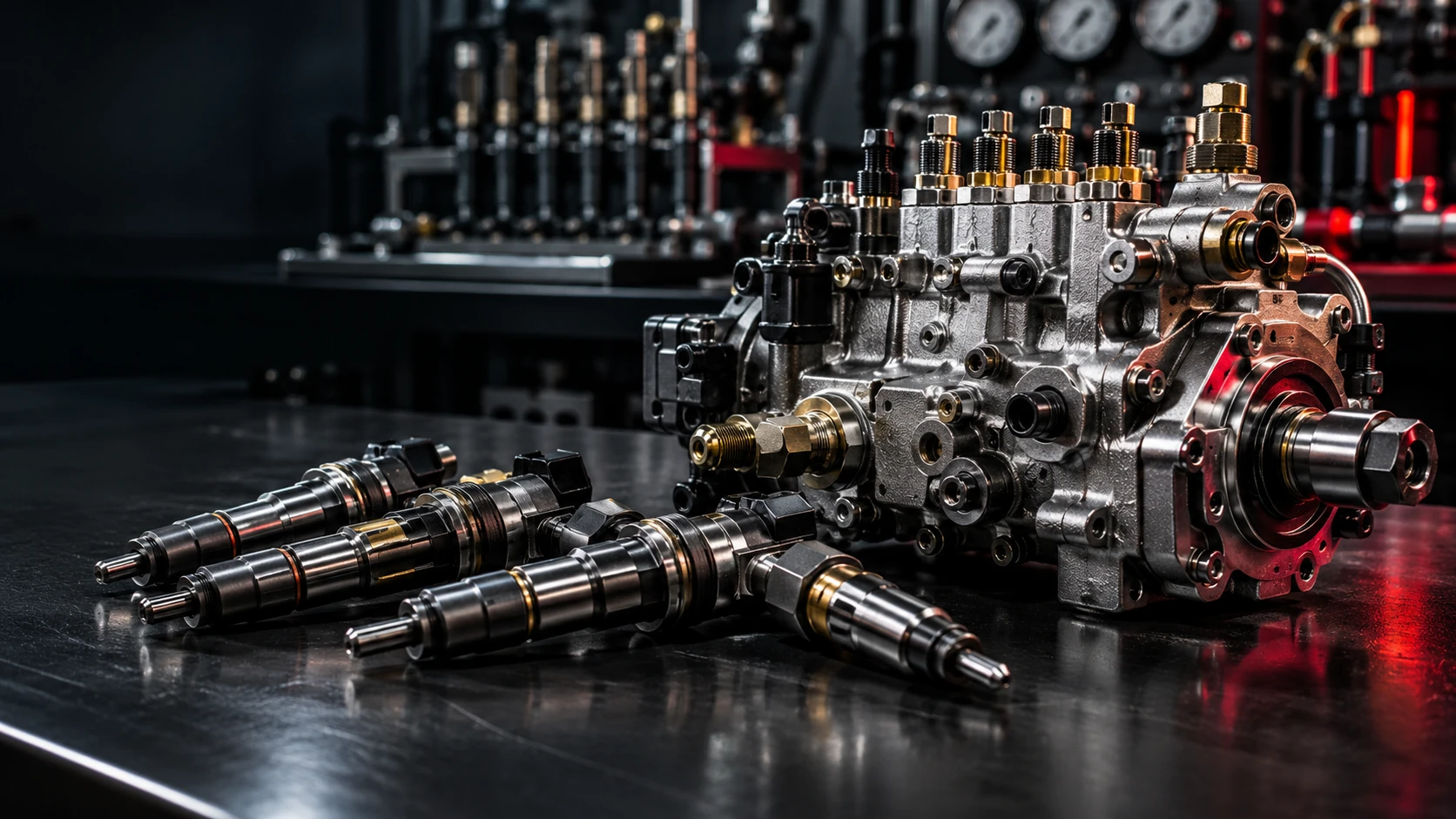
No fuel injector, injection pump or application is guaranteed serviceable based on its manufacturer name alone. Provide part number and engine/equipment details for confirmation.
SPECIALIST CAPABILITIES
These are linked stages of a single service workflow—not six unrelated products. DCT determines which stages are relevant after reviewing the specific component.
Start with the component, symptoms, application and evidence—not a guess about which part to replace.
Review the applicable injector type and, where supported, inspect measured performance against a suitable test method.
Assess contamination, deposits and wear before recommending cleaning or restoration for eligible components.
Investigate correctable defects and explain what repair is technically appropriate for the identified unit.
Disassembly, inspection, approved part replacement and assembly for supported injectors and injection pumps.
Where supported, confirm and adjust measurable performance using applicable procedures and test equipment.
Applicable high-pressure common-rail injectors and pumps, reviewed by model and service eligibility.
Inline, rotary/distributor and mechanical injection families where appropriate equipment and parts support exist.
Component-level evaluation for supported electronically controlled fuel-injection technologies.
We prefer a decision based on the condition and identity of the component. Available options can include testing only, servicing the original unit, an approved rebuild, exchange or a new replacement. The alternatives depend on verified availability and eligibility.
TESTING / CALIBRATION / RESTORATION
For eligible models, useful findings may involve fuel delivery, injection timing, governor behavior, metering response, leakage and calibration appropriate to the specific pump.
Mechanical opening/pop pressure and spray pattern are different from electronic common-rail flow and return-flow / back-leak checks. Supported electronic diagnostics and injector coding depend on the actual part and vehicle system.
Legacy and antique components may call for careful identification, replacement parts, restoration and model-specific rebuilding. Lift and transfer pumps, SCV / IMV metering valves, regulators, seals, nozzles and related repair kits have their own availability and compatibility requirements.
BEYOND THE SIX SERVICE STAGES
An injection-pump calibration, injector test or repair quote makes sense only when matched to the technology. Browse these dedicated guides for the correct identification and testing questions.
FUEL SYSTEM GUIDE
Inline and rotary/distributor pumps, governors and mechanical metering.
FUEL SYSTEM GUIDE
Distributor and inline systems with electronic metering, timing and control.
FUEL SYSTEM GUIDE
High-pressure supply pumps, metering valves and contamination assessment.
FUEL SYSTEM GUIDE
Conventional nozzles, opening-pressure testing, spray pattern and leakage.
FUEL SYSTEM GUIDE
Solenoid and piezo injectors, return-flow checks and coding considerations.
FUEL SYSTEM GUIDE
Hydraulically actuated electronic unit injectors and high-pressure oil controls.
THE WORK BEHIND RELIABLE FUEL DELIVERY
When a diesel engine begins to stumble, smoke or lose power, it is tempting to blame the most expensive injection part first. A more useful approach starts by identifying the technology, understanding the fault history and matching the component to the testing that can actually tell you something meaningful.
DCT’s service stages provide a connected decision-making framework, not a promise that every part needs all six steps. Testing, cleaning, precision repair, rebuilding and calibration each have their place. The right work is the work supported by the evidence and approved for your component.
THE RIGHT ANSWER STARTS
WITH THE RIGHT QUESTIONS.
Tell us the component, equipment, symptoms and part numbers you have. We’ll help determine the appropriate next step before you ship or travel.